

Tea Processing: From Fresh Leaves To Perfect Cup
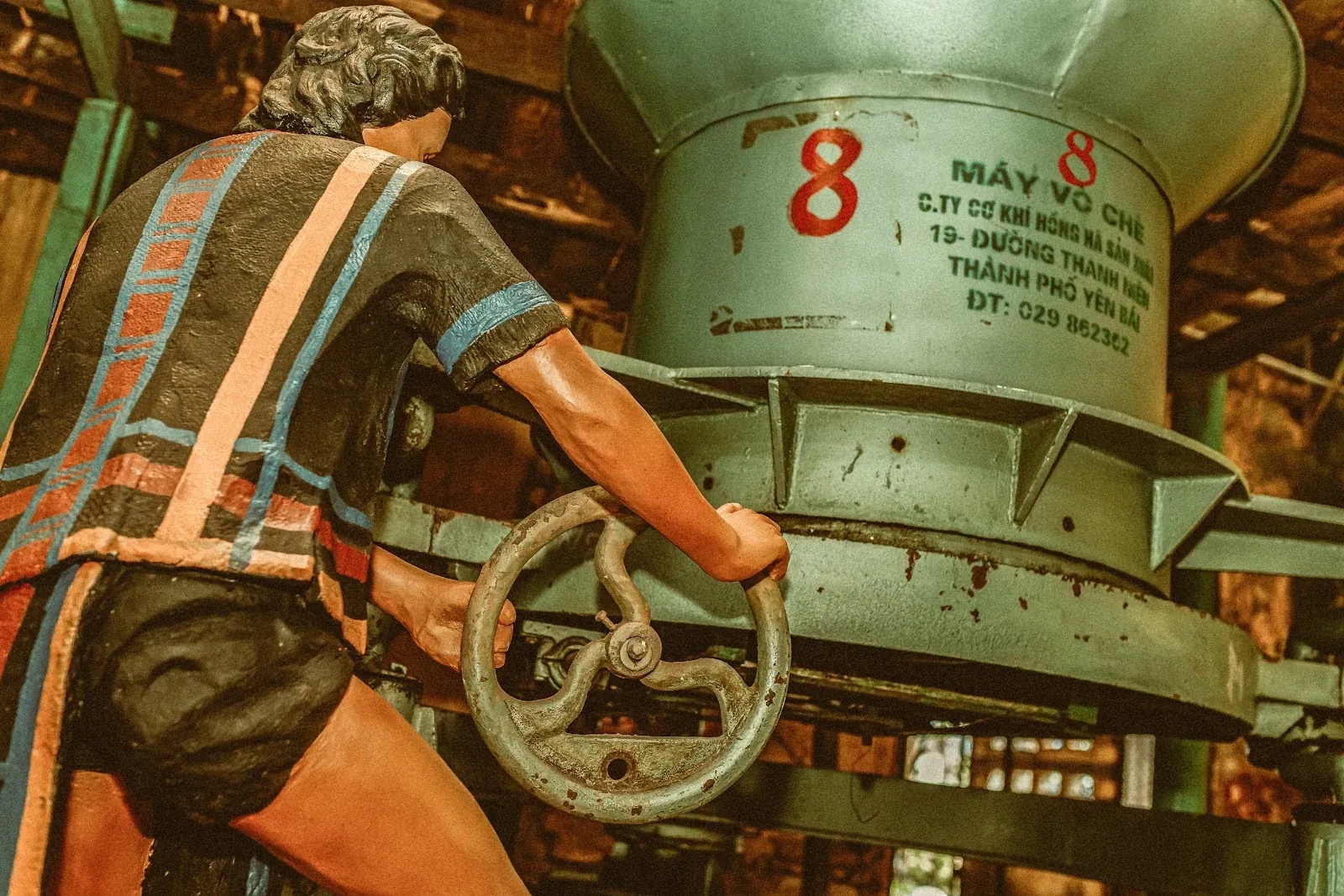

From fresh buds to a fragrant cup: follow the withering, rolling, fermentation, drying and sorting stages, in both traditional and modern methods, at the 1927 Tea Factory.
Every fragrant cup of tea is the end of a long journey that begins with tender buds on a hillside. At the 1927 Tea Factory in Bao Loc, that journey comes to life through the preserved historic factory, its old machines and the paintings that illustrate each stage. Let's walk through the steps and see why tea making is both a technique and an art.
1. Plucking: it starts with tender buds
Quality begins with the raw leaf. Pickers usually select the bud along with one or two young leaves beside it, plucking in the morning while the leaves are fresh. The harvest needs to reach the factory quickly, without being bruised or left to overheat, because even a small lapse can affect the flavor of the finished tea.
2. Withering: softening the leaves
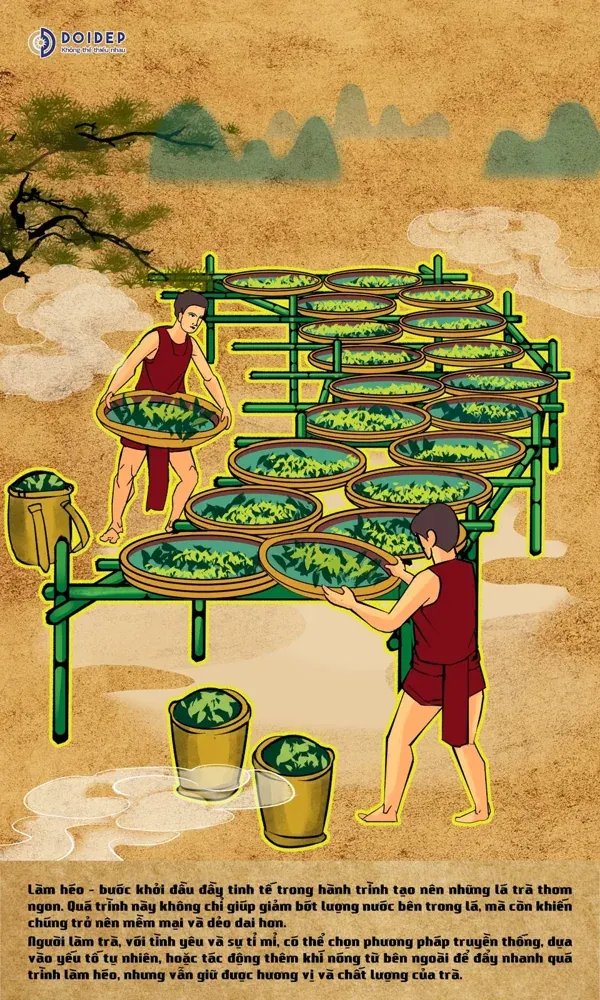
Fresh leaves are spread out evenly and withered to reduce their moisture, making them soft and pliable enough to roll without breaking. Traditionally, leaves could be withered naturally on racks and trays; when needed, tea makers add warm air to make the process faster and more even. In the historic factory, the heat furnaces once used for withering have been kept in place.
3. Rolling: shaping the leaf and awakening its flavor
The withered leaves are fed into rolling machines. Under the turning and pressing motion, the leaves twist, their cells partly break open and the juices rise to the surface. This step gives the leaves their shape and lets the juices meet the air in the next stage. The metal rolling machines in the old factory are among the sights that impress visitors most.
4. Fermentation: the secret of color and aroma
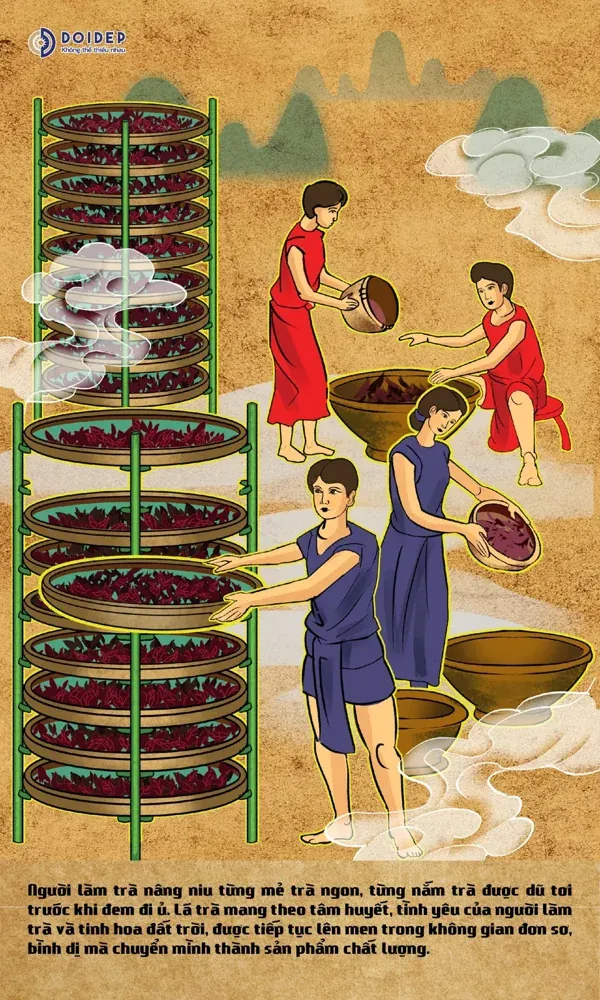
For black tea, the rolled leaves are spread in thin layers and left under suitable conditions to oxidize. During this time, the leaves gradually turn a coppery brown, and the grassy smell of fresh leaf gives way to a warm, ripe aroma. Tea makers must watch closely, since too little or too much time will change the quality of the batch. For green tea, this step is skipped by heating the leaves early to keep them fresh and green.
5. Drying: locking in the flavor
Once the desired level of fermentation is reached, the tea goes into the dryer. Heat stops oxidation and removes the remaining moisture, so the tea becomes dry, keeps its flavor and stores well. Drying must be even: too little and the tea may turn damp and moldy, too much and it may taste burnt.
6. Sorting: the finishing touch
The dried tea passes through sorting machines that grade it by size and remove any leftover fibers and stalk hairs. This step gives the leaves a uniform, attractive look and a consistent brew. After sorting, the tea is packed and stored with care before it reaches tea lovers.
Tradition and modernity side by side
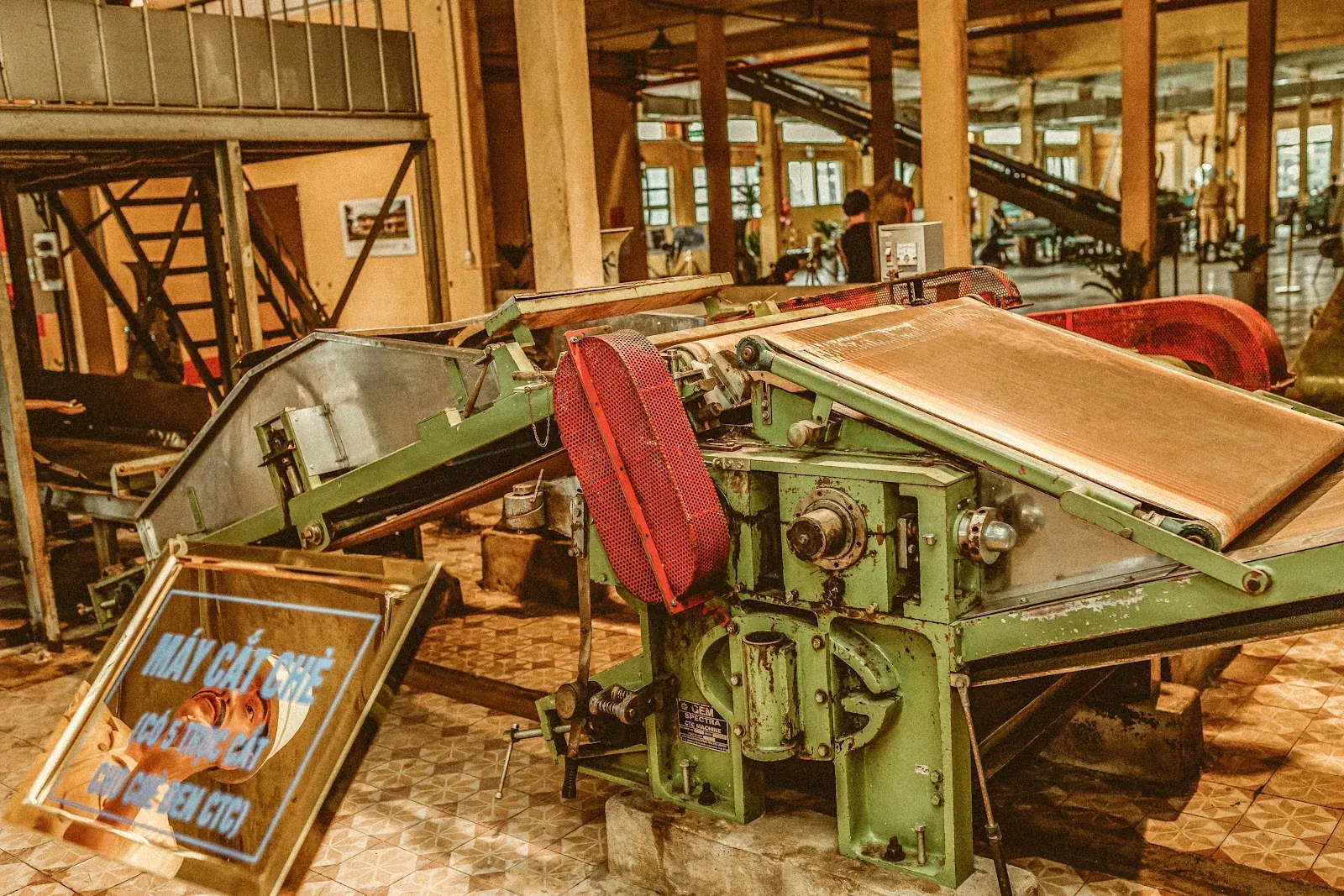
Alongside the traditional line, the 1927 Tea Factory also presents the modern process, with tea cutting machines, fermentation machines, dryers and sorters. In black tea production, the traditional orthodox method keeps the leaves as twisted strands, while the CTC method (crush, tear, curl) cuts them into small granules that brew quickly into a strong, deeply colored cup. Each method has its own character and serves different ways of enjoying tea.
From the factory to your cup
After all these stages, a cup of tea is at its best when brewed properly: clean water, a temperature suited to the type of tea and a sensible steeping time. If you are ever in Bao Loc, stop by the 1927 Tea Factory at 280 Tran Phu Street, Loc Son Ward to see the journey of the tea leaf with your own eyes, and end your visit with a cup in the "Ngu Thuc Viet Tra" tea space.
Relevant posts
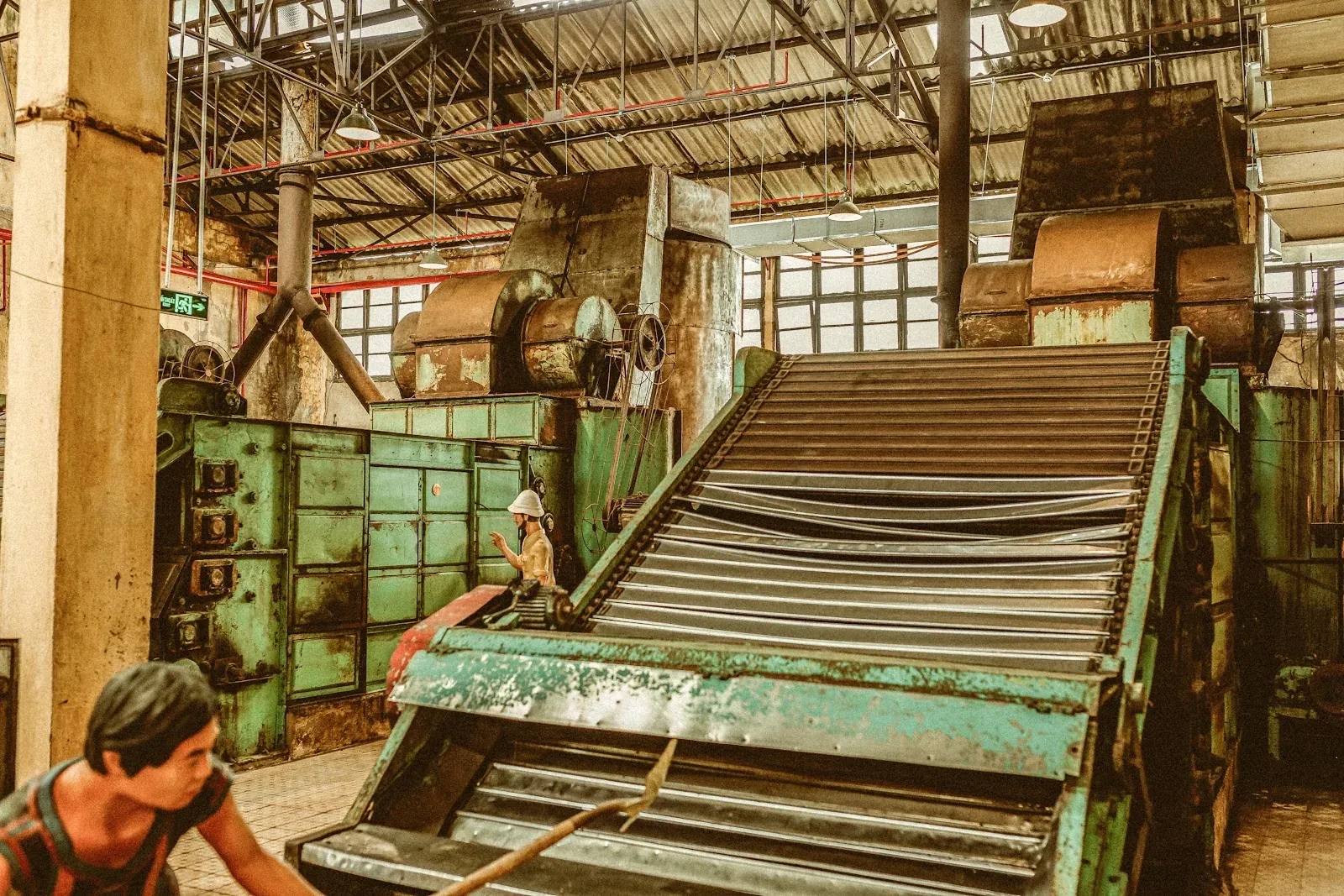
Drying and Sorting: The Finishing Touches of Tea Making
After rolling and oxidation, tea still has to pass through the dryer and a series of sieves before it is finished. A closer look at these two final stages through the traditional and modern machines of the 1927 Tea Factory.
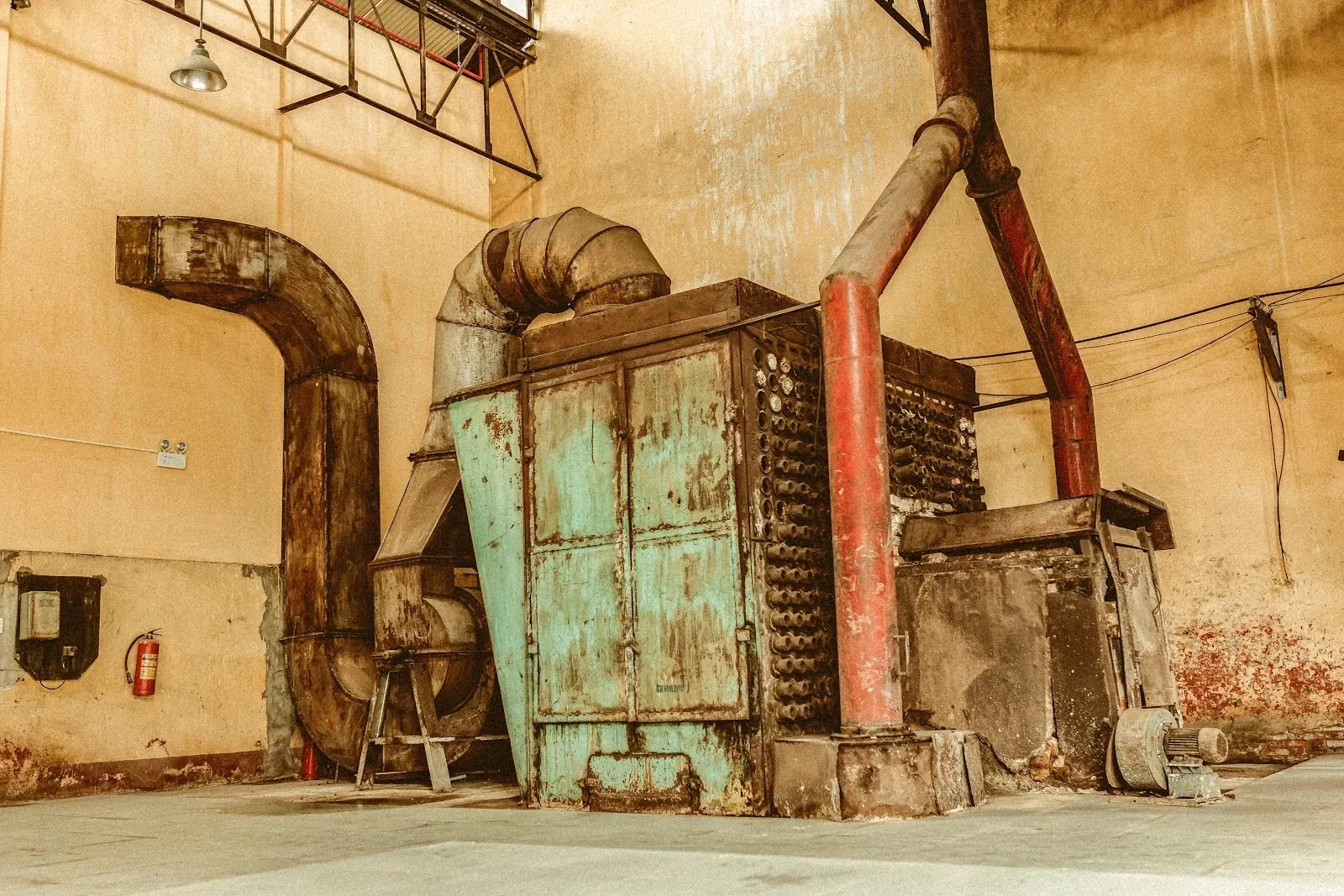
Withering: The Quiet Stage That Shapes Every Tea
Withering is the first thing that happens to fresh leaves once they reach the factory. Why it matters, what the heat furnaces do, and how tea makers know when the leaf is just right.
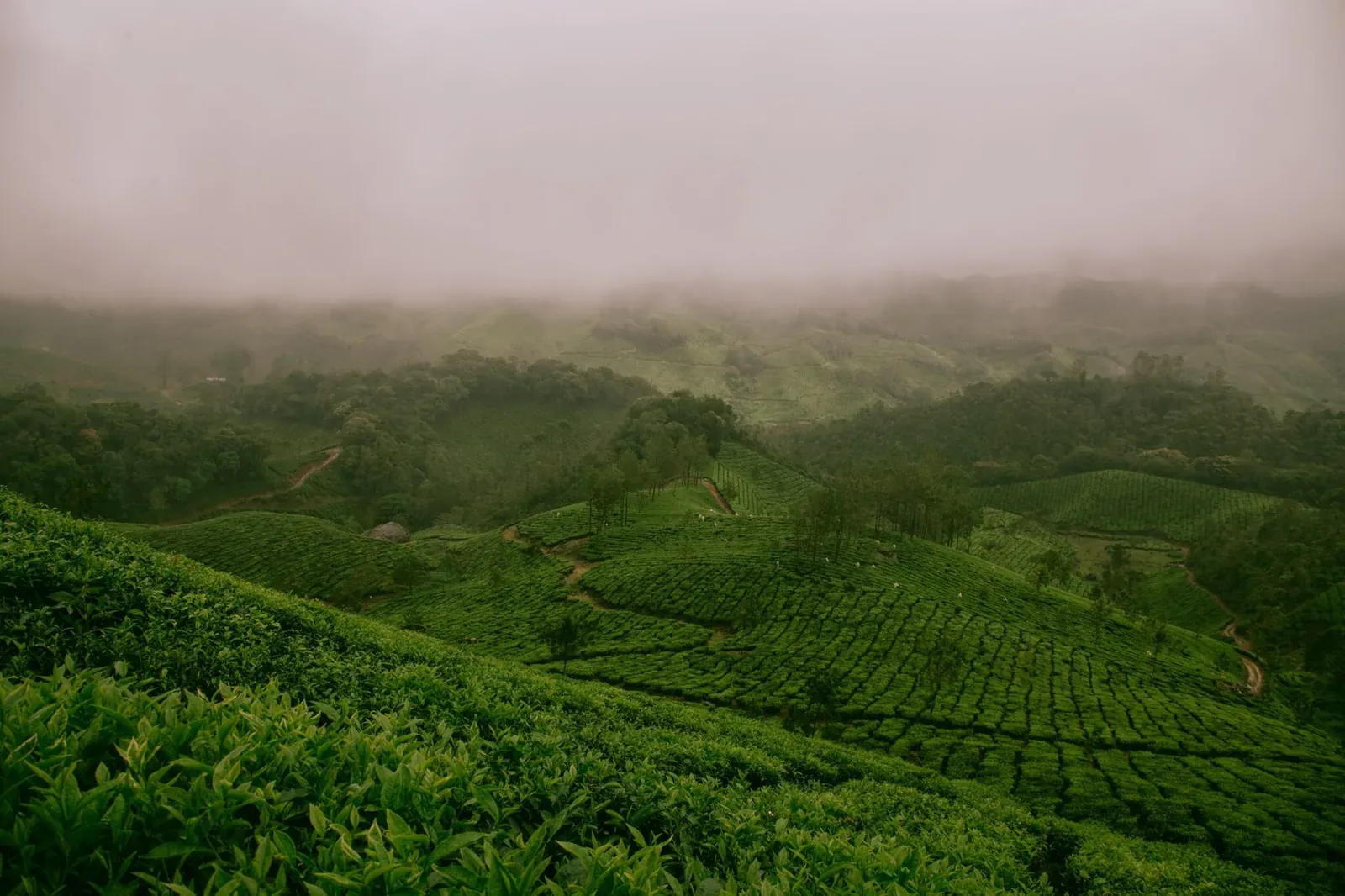
Behind a Cup of Doi Dep Tea
If the North is famous for Thai Nguyen tea, in the South everyone knows Doi Dep Oolong tea from Bao Loc (Lam Dong) for its slightly astringent, cool, sweet and fragrant taste.