

Black Tea, Green Tea, Oolong Tea: Which Is Right For You?

What sets black, green and oolong tea apart? Learn how each is made, how it tastes and how to brew it, so you can find the tea that suits your palate and your pace of life.
They all come from the leaves of the same plant, Camellia sinensis. So why does one cup glow pale green, another a deep reddish brown, and a third a warm gold? The answer lies in how the leaves are processed after picking, especially the degree of oxidation, which tea makers often call "fermentation". Once you understand this, choosing a tea that fits your taste and habits becomes much easier.
One leaf, many paths
As soon as tea leaves are picked, they begin to change on contact with the air. Stop that process early and you get green tea. Let it run partway and you get oolong. Allow it to run its full course and you get black tea. That single difference shapes the color, aroma and flavor of each cup.
Green tea: fresh and light
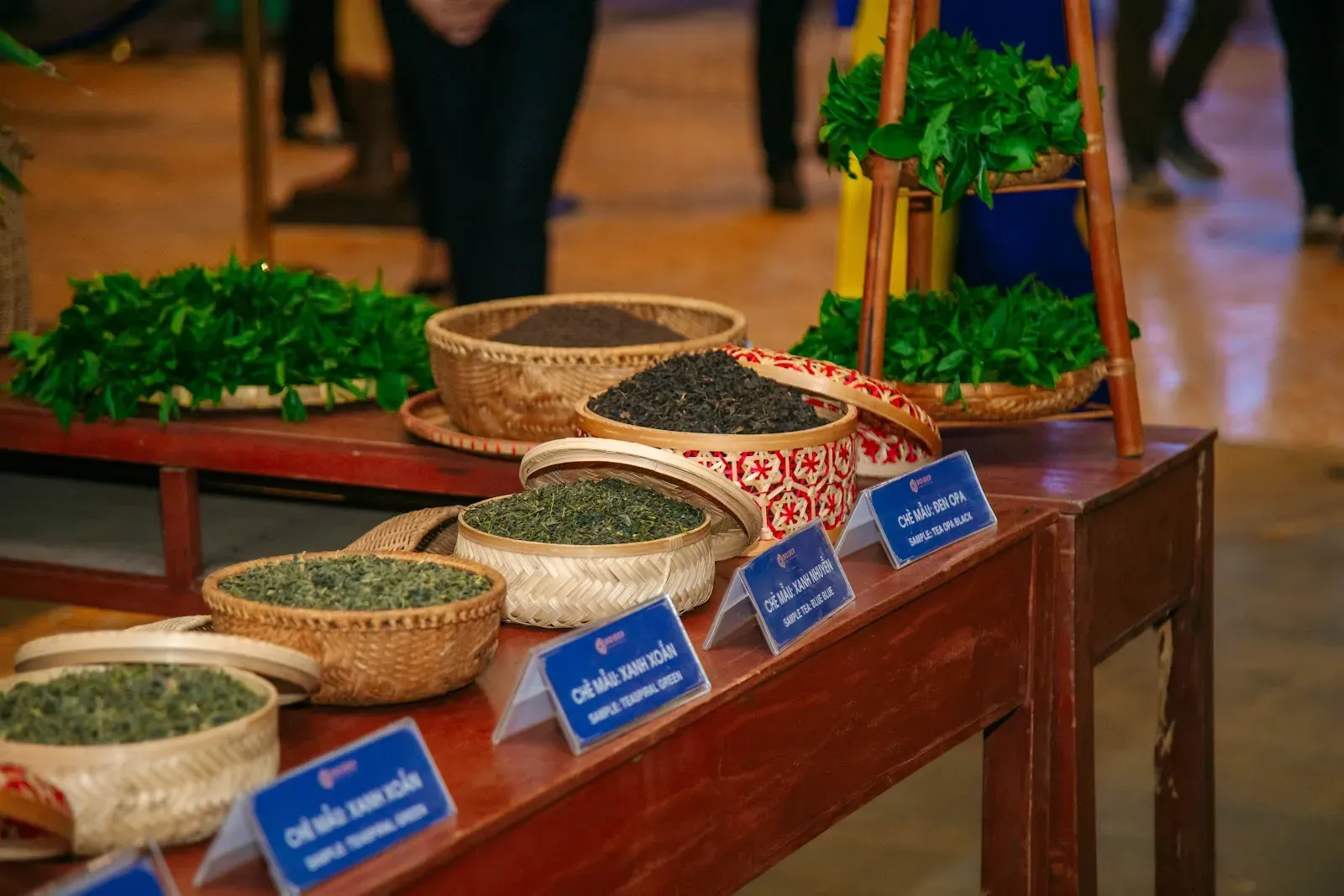
Green tea is made by halting oxidation with heat, either by pan-firing or steaming, to keep the leaves green, before they are rolled and dried. The liquor is usually yellow-green, with hints of young rice or fresh leaves, a gentle astringency and a sweet finish.
- Best for: those who enjoy clean, delicate flavors, or want a light cup in the morning or after a meal.
- Brewing tip: use water at about 75–85°C and keep steeping times short to avoid bitterness.
Black tea: rich and warming
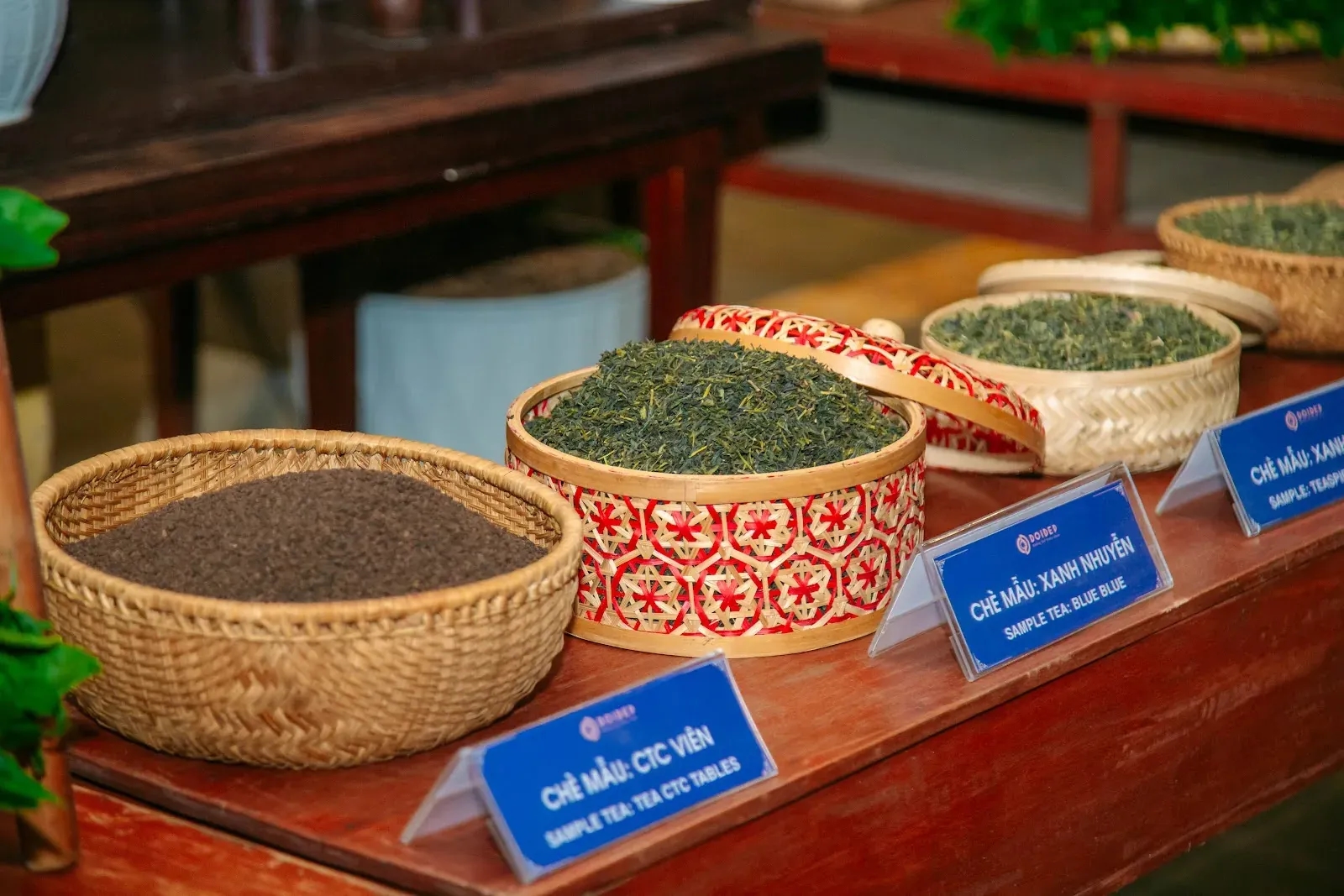
Black tea goes through every stage: withering, rolling, fermentation, drying and sorting. Because the leaves are fully oxidized, the liquor turns reddish brown, with a warm aroma and a full, rounded taste. In the traditional orthodox method, leaves are rolled into twisted strands; in the CTC method (crush, tear, curl), they are cut into small granules that brew quickly into a strong, deeply colored cup.
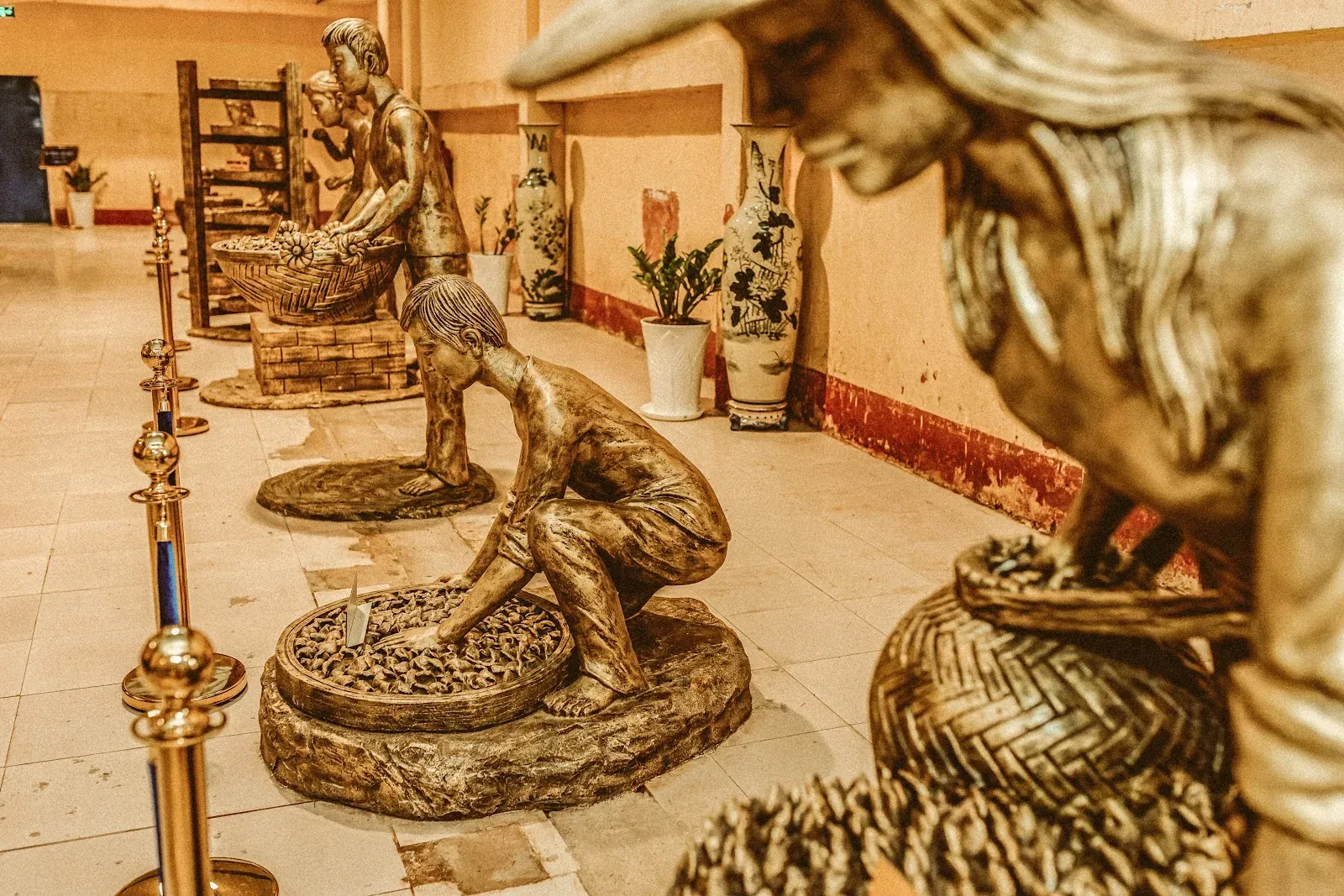
At the 1927 Tea Factory, visitors can see the traditional steps up close, from withering and rolling in rolling machines to fermentation, drying and sorting, alongside an area that introduces the modern process.
- Best for: lovers of bold flavor, anyone craving a hot cup on a cool day, or those who like making milk tea or lemon tea at home.
- Brewing tip: use water just off the boil, around 90–100°C, and steep for a few minutes depending on how strong you like it.

Oolong: the space in between
Oolong is a partially oxidized tea. The leaves are withered, then gently tossed or shaken so that their edges oxidize, before being heated, rolled and dried. Depending on the level of oxidation and the maker's style, oolong can be floral, fruity or carry a warm roasted note. The liquor is often golden and smooth with a sweet finish, and the leaves can usually be steeped several times.
- Best for: curious drinkers who enjoy layered aromas and like lingering over a pot through several infusions.
- Brewing tip: use water at about 85–95°C, give the leaves a quick rinse, then steep briefly for each round.
So which one is for you?
There is no single "best" tea, only the one that suits you best at a given moment. A few pointers:
- By taste: choose green tea for lightness, black tea for richness and oolong for complex aromas.
- By time of day: green tea suits the morning; black tea is lovely on chilly days or in mixed drinks; oolong is perfect for long, relaxed conversations.
- By sensitivity: if you are sensitive to caffeine, drink moderate amounts and avoid tea late in the evening.
The best way to decide is still to taste for yourself. If you find yourself in Bao Loc, set aside time to visit the 1927 Tea Factory, browse the tea samples on display and enjoy a cup in the "Ngu Thuc Viet Tra" tea space to discover the tea that is truly yours.
Relevant posts
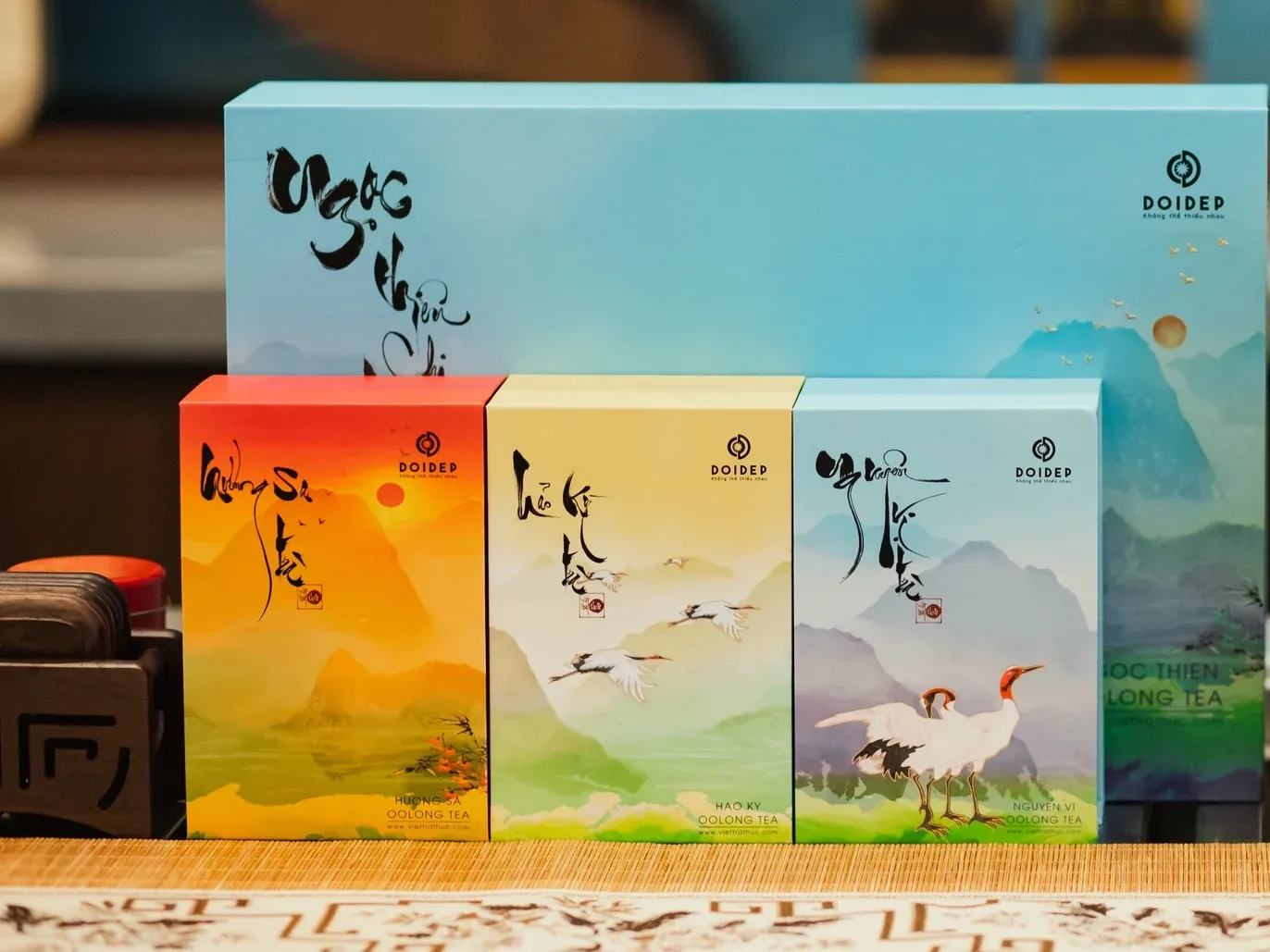
Ngoc Thien Chi Tea: Three Teas for a Whole Day
Ngoc Thien Chi – “a precious jewel bestowed by heaven and earth” – is Doi Dep’s trio of Nguyen Vi, Hao Ky and Huong Sa: three levels of fermentation, three layers of flavor, from early morning to evening.
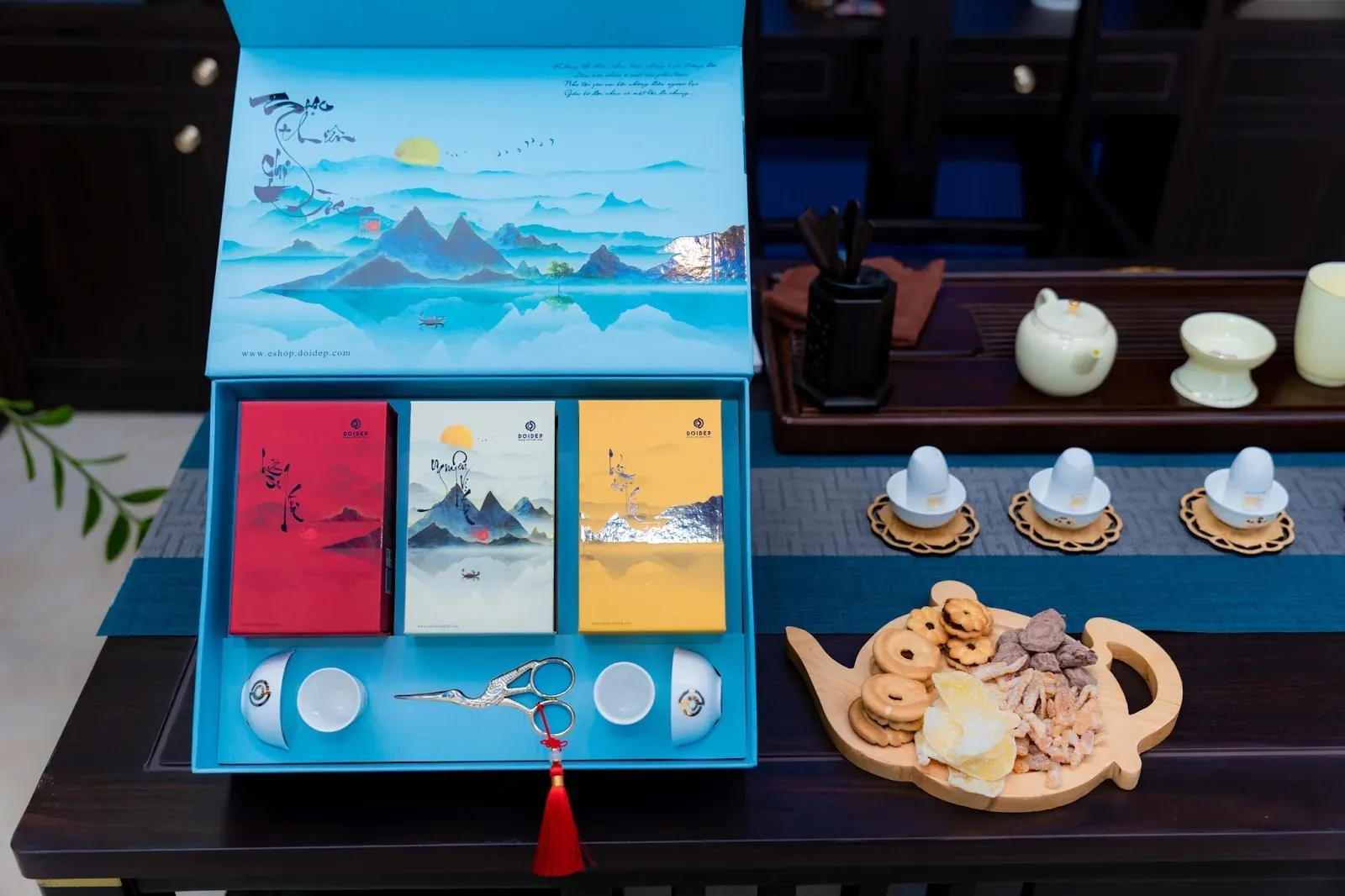
Tea as a Gift: How to Choose One That Speaks for You
A fine box of tea or a beautiful tea set makes a gift that is both elegant and meaningful. Tips on matching tea to the recipient, pairing tea with teaware and the small touches that make a gift complete.
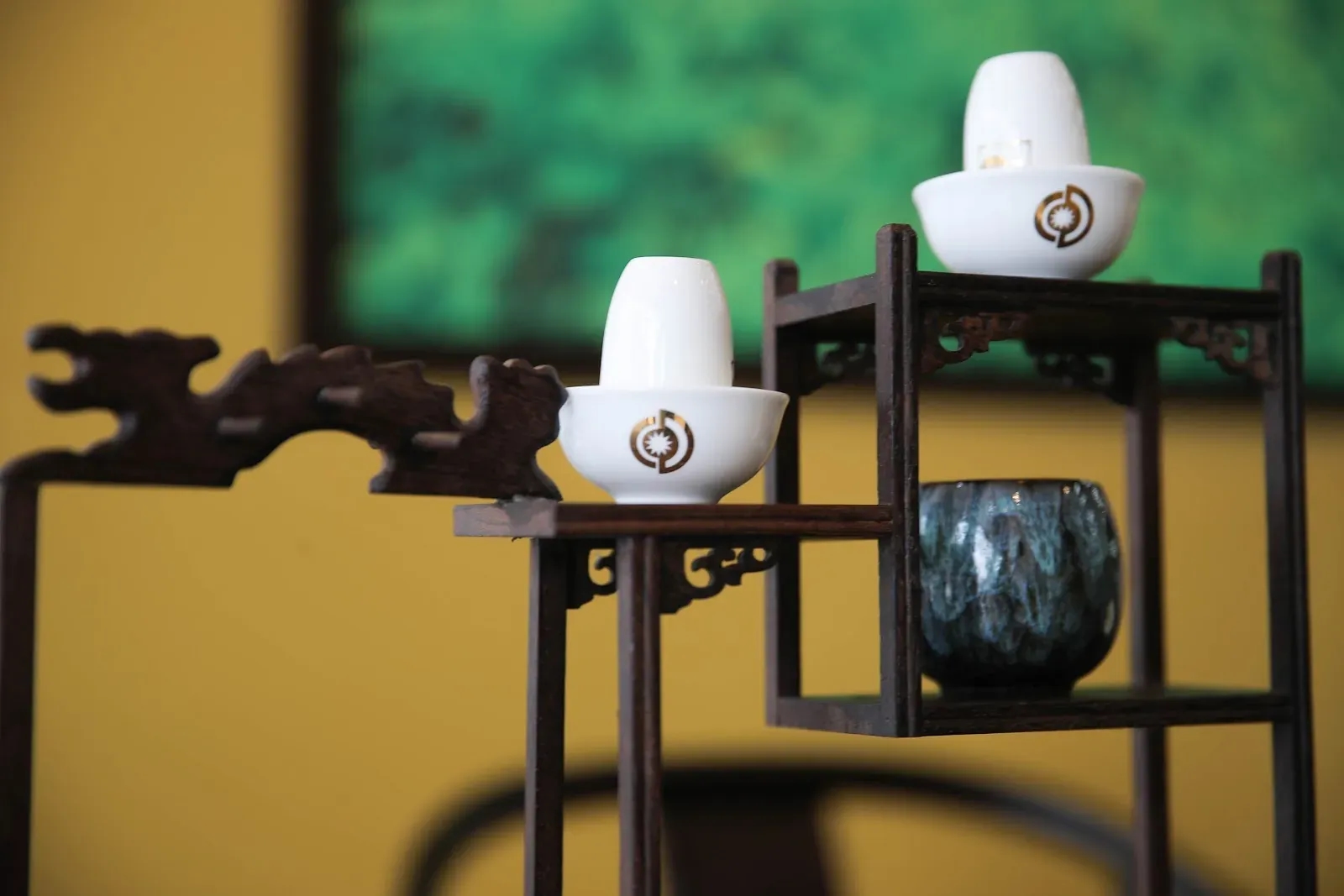
Bat Trang Ceramics and the Vietnamese Tea Ritual
Bat Trang teapots and cups have long been part of Vietnamese tea culture. Discover the glazes and motifs, how to choose a set that feels right in the hand, and how to care for it for years to come.