

Ngoc Thien Chi Tea: Three Teas for a Whole Day
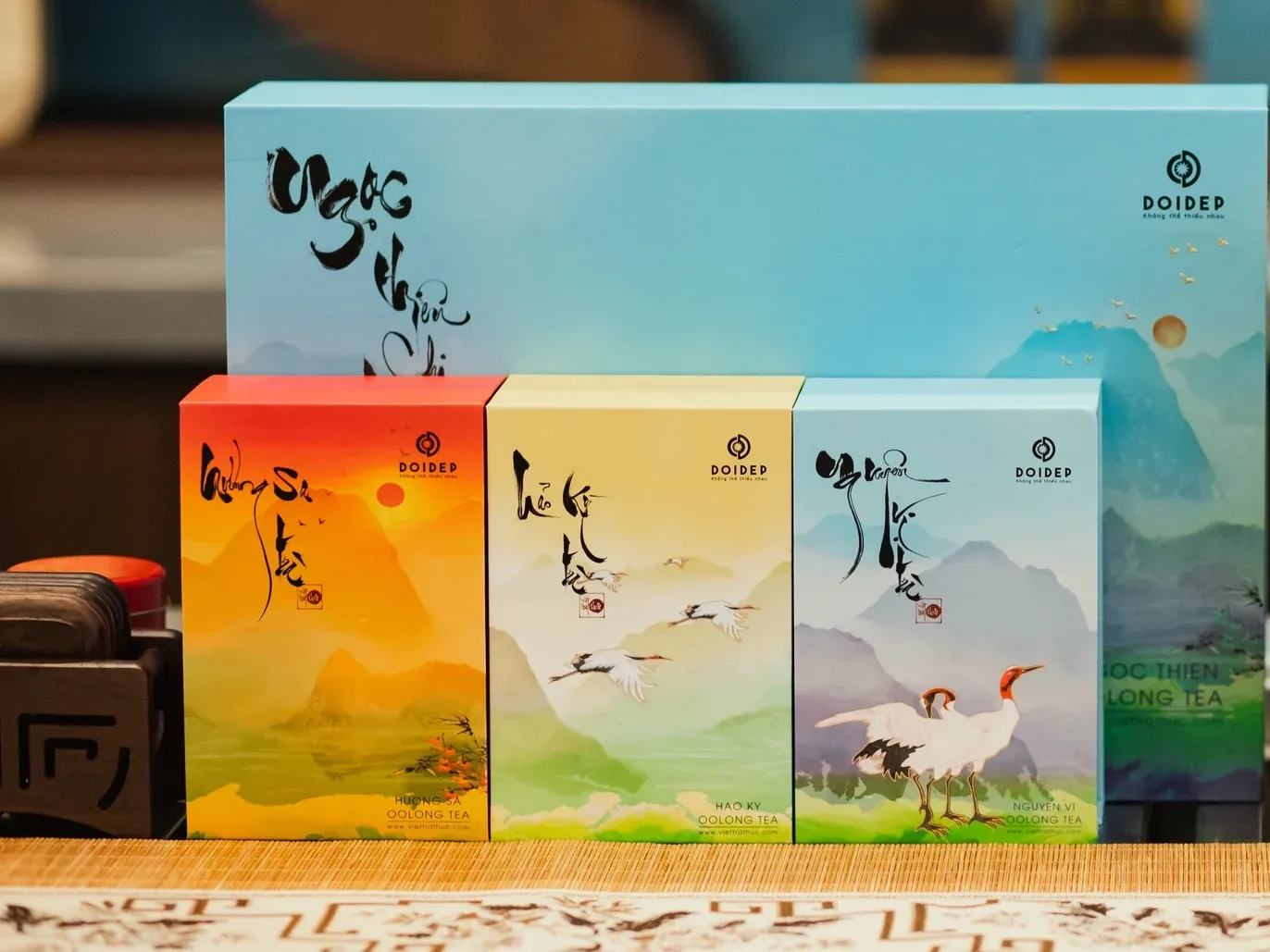

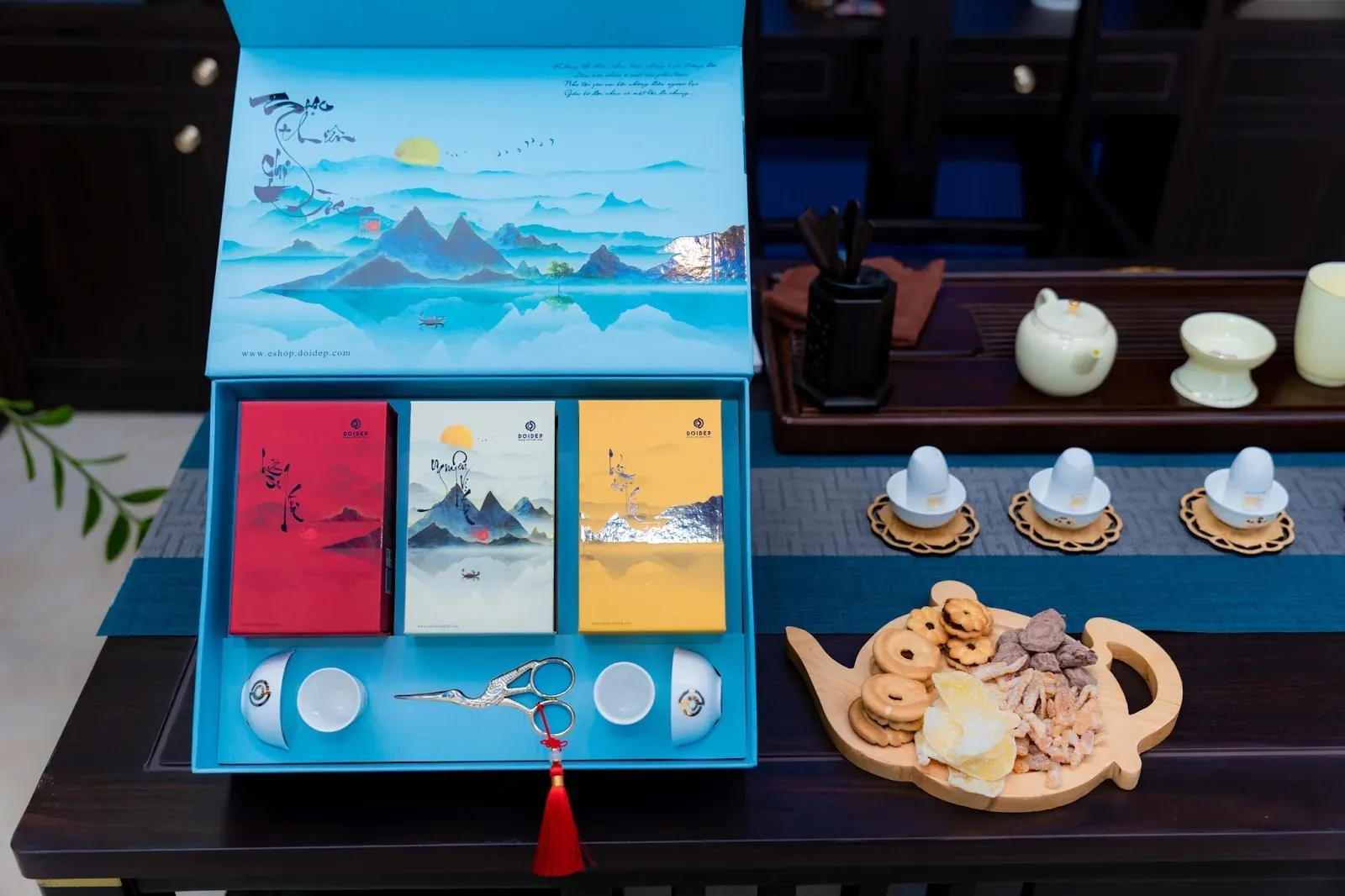
Ngoc Thien Chi – “a precious jewel bestowed by heaven and earth” – is Doi Dep’s trio of Nguyen Vi, Hao Ky and Huong Sa: three levels of fermentation, three layers of flavor, from early morning to evening.
Among the teas crafted under the Doi Dep name, every product tells a story. One story, however, is told in three chapters: Ngoc Thien Chi Tea – the trio of Nguyen Vi, Hao Ky and Huong Sa. The name means “a precious jewel bestowed by heaven and earth”, and the way the three teas follow one another mirrors a well-lived day: a gentle beginning, an easy pause at midday and a quiet settling as evening falls.
A jewel from heaven and earth
For Doi Dep’s tea makers, a fine cup never happens by chance. It is the meeting of the Three Powers – Thien (Heaven) gives the leaf its form, Dia (Earth) gives it its essence, and Nhan (Humankind) gives it its spirit. Even the Chinese character for tea holds all three: the grass radical above, the tree radical below and the human figure in between.
Most of Doi Dep’s teas are crafted from oolong grown on the Bao Loc plateau in Lam Dong, where a climate of “spring in every season” allows six to seven harvests a year. The buds soak up the early sun and the wide swing between warm days and cool nights, concentrating their essence; the soil shapes their backbone; and farmers tend each plant “as one would care for a child”. The final, decisive touch belongs to the artisans, who pair traditional handcraft with modern technology to awaken the tea’s “khi” – its soul. Calling the collection “Ngoc Thien Chi” is a way of honoring that gift from heaven, earth and human hands.
Three teas, three levels of fermentation
What makes Ngoc Thien Chi special is that its three teas sit at three successive levels of fermentation. Nguyen Vi and Hao Ky belong to the Hoang Tra line – semi-fermented oolongs with a golden liquor – with Hao Ky fermented more deeply. Huong Sa steps into the Hong Tra (black tea) line: deeply fermented, then rested in an oxygen-free environment. Tasting all three is a seamless journey from fresh and bright to warm and deep.
Nguyen Vi Tea – the true taste of the leaf, with a natural milky aroma
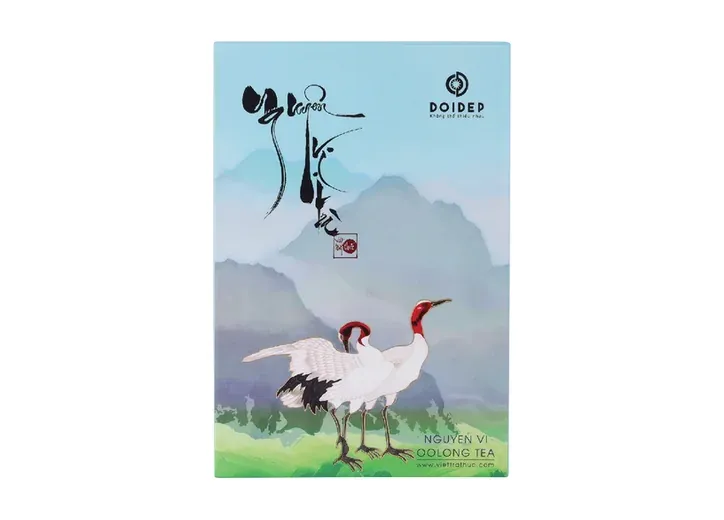
As its name suggests, Nguyen Vi – “original taste” – seeks the authentic flavor of the leaf and its own natural fragrance. Its signature is a soft yet distinct milky aroma. That note comes from the cultivar itself and the way the tea is processed, quite unlike teas sprayed with milk flavoring – which is why it feels so gentle and pleasant.
Hao Ky Tea – something good in every sip
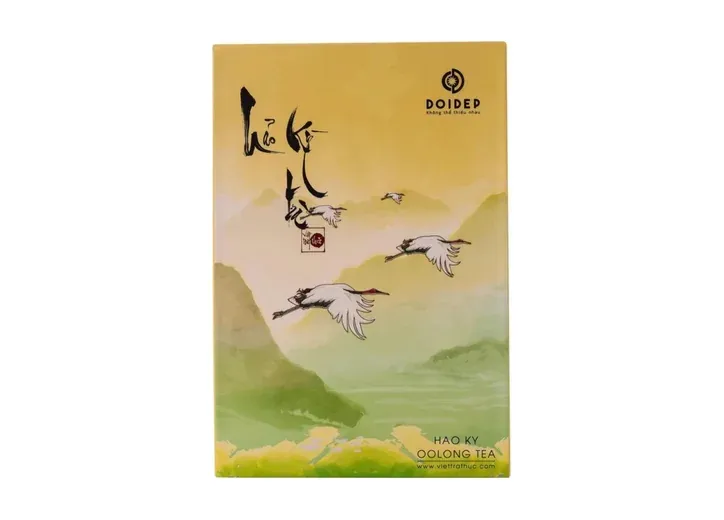
Hao Ky is made from the finest raw leaf and fermented more deeply than Nguyen Vi. The result opens with notes of lightly ripened fruit and delicate flowers; the cup is round, with a faint tartness woven into fruity sweetness, while keeping the natural freshness of a Hoang Tra. “Hao ky” speaks of goodness and joy – a small wish carried in every cup.
Huong Sa Tea – as warm as an early morning
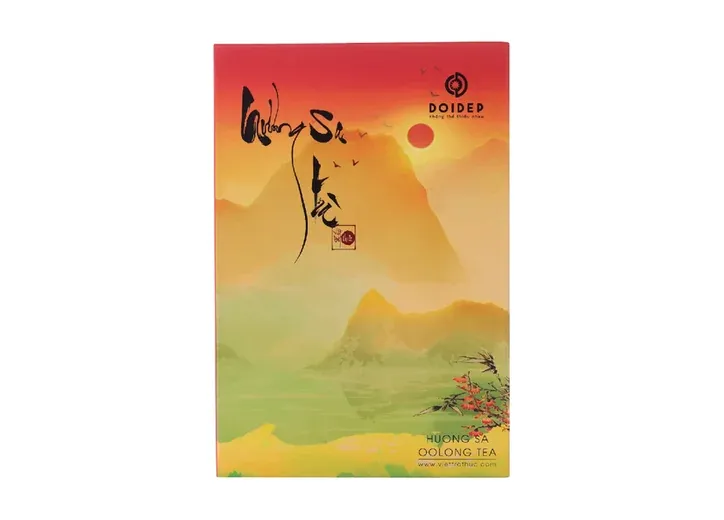
Huong Sa is a deeply fermented black tea that is then rested in anaerobic conditions to form a small amount of GABA – more than in other black teas – while keeping its full depth of fermentation. The cup offers a soft, fleeting tartness alongside the warm depth of black tea. The name Huong Sa evokes a fragrance as rich and tender as early morning.
A day with Ngoc Thien Chi
Ask Doi Dep’s tea makers when to enjoy each tea, and they will describe a day like this:
- Early morning – Nguyen Vi: after breakfast, share a few cups fragrant with natural milky notes with your loved ones and ease gently into the day.
- After lunch – Hao Ky: its fruity aroma and round, lively taste turn the midday pause into a moment of calm; Hao Ky also suits many other hours of the day.
- Late afternoon and evening – Huong Sa: enjoy it after a meal or as the day winds down; with its touch of naturally formed GABA, Huong Sa is considered well suited to the evening without much effect on sleep.
So the three teas do more than sit side by side in one collection: they complete one another like three beats of a single day – true to the spirit of “Khong The Thieu Nhau” (“we cannot do without each other”) that guides the Doi Dep brand.
Tasting through the Five Understandings
To fully appreciate Ngoc Thien Chi, try tasting through the five levels of understanding that the Vietnamese call Ngu Ngo Tri Ky:
- Fragrance – recognize the milky notes of Nguyen Vi, the fruit of Hao Ky and the warmth of Huong Sa.
- Color – compare the liquor of the three teas, for color reflects the craft and always goes hand in hand with fragrance.
- Savor – hold the tea in your mouth to sense its opening, middle and closing notes, then notice the overall harmony and the lingering aftertaste.
- Transcendence – feel the tea’s “khi”, the union of heaven and earth with the artisan’s patient refinement.
- Immanence – when a cup of tea becomes a thread connecting people with one another and with the world around them.
“Good tea calls for a good friend.”
This familiar Vietnamese saying rings especially true for Ngoc Thien Chi. In Doi Dep’s philosophy of the Five Ways of Vietnamese Tea (Ngu Thuc Viet Tra), the five tea colors – green, red, golden, white and dark – correspond to five ways of enjoying tea; this trio spans two of them, golden and red, offering both refinement and warmth. Whether it is an early morning with family or an afternoon with a dear friend, each cup carries the two gifts Vietnamese tea has always held: bringing people together and nurturing both body and mind.
Ngoc Thien Chi Tea is, in the end, an invitation to slow down a little – and to notice the precious things that heaven, earth and human hands have folded into every tea bud.
Relevant posts
Tea as a Gift: How to Choose One That Speaks for You
A fine box of tea or a beautiful tea set makes a gift that is both elegant and meaningful. Tips on matching tea to the recipient, pairing tea with teaware and the small touches that make a gift complete.
Bat Trang Ceramics and the Vietnamese Tea Ritual
Bat Trang teapots and cups have long been part of Vietnamese tea culture. Discover the glazes and motifs, how to choose a set that feels right in the hand, and how to care for it for years to come.
Black Tea, Green Tea, Oolong Tea: Which Is Right For You?
What sets black, green and oolong tea apart? Learn how each is made, how it tastes and how to brew it, so you can find the tea that suits your palate and your pace of life.