

Water and Temperature: The Two Quiet Secrets of a Good Pot of Tea

The same leaves can taste completely different with another water or another temperature. A practical guide to choosing water, matching heat to each style of tea and brewing a rounder cup at home.
Tea lovers like to say that the leaves are only half the story in a cup; the other half belongs to the water. It is hardly an exaggeration. A finished cup of tea is almost entirely water, so its quality and its temperature decide how fully the aroma opens, whether the astringency is gentle or harsh, and whether that sweet aftertaste lingers in the throat. Here are the basics for mastering two details that look small but matter a great deal.
What kind of water suits tea?
Vietnamese tea drinkers have long cared about water. Some collected rainwater in earthenware jars; the most devoted rose at dawn to gather dew from lotus leaves. We no longer need to go that far, but the principle remains: water for tea should be clear, clean, odourless and soft.
- Soft, low-mineral water lets the tea's character come through. Very hard water tends to make the liquor cloudy, dark and heavy.
- Filtered water or low-mineral bottled spring water is easy to find and gives consistent results for everyday brewing.
- Avoid chlorine smells. If you use tap water, run it through a filter or let it stand in an open jug for a while before boiling.
- Do not reboil. Water boiled again and again loses dissolved air, and the tea tastes flat and lifeless.
The right temperature for each style
The hotter the water, the faster the leaf releases its compounds, including the ones responsible for bitterness and astringency. That is why each style of tea has its own comfortable range. Treat the figures below as a starting point and adjust to taste.
- Green tea: around 70 to 80°C. Young, delicate leaves scorch easily in boiling water, turning harsh and losing their fresh, toasted-rice notes.
- White tea and tender buds: around 75 to 85°C, to keep their light, gentle sweetness.
- Oolong: around 85 to 95°C. Tightly rolled leaves need more heat to unfurl gradually over several infusions.
- Black tea: around 90 to 100°C. High heat draws out a bright red liquor and a warm, rich aroma.
No thermometer? Use your eyes and ears
Earlier generations judged water by sight and sound. Watch the bubbles as the kettle heats: tiny beads on the bottom, sometimes called "crab eyes", mean the water is warm; larger "fish eye" bubbles and a soft hum mean it is quite hot; a rolling boil means it has reached the top. For green tea, bring the water to the boil, then pour it into a pitcher or let it rest for a few minutes before brewing. Each time water moves from one vessel to another, it cools a little more.
Warm the teapot and cups first
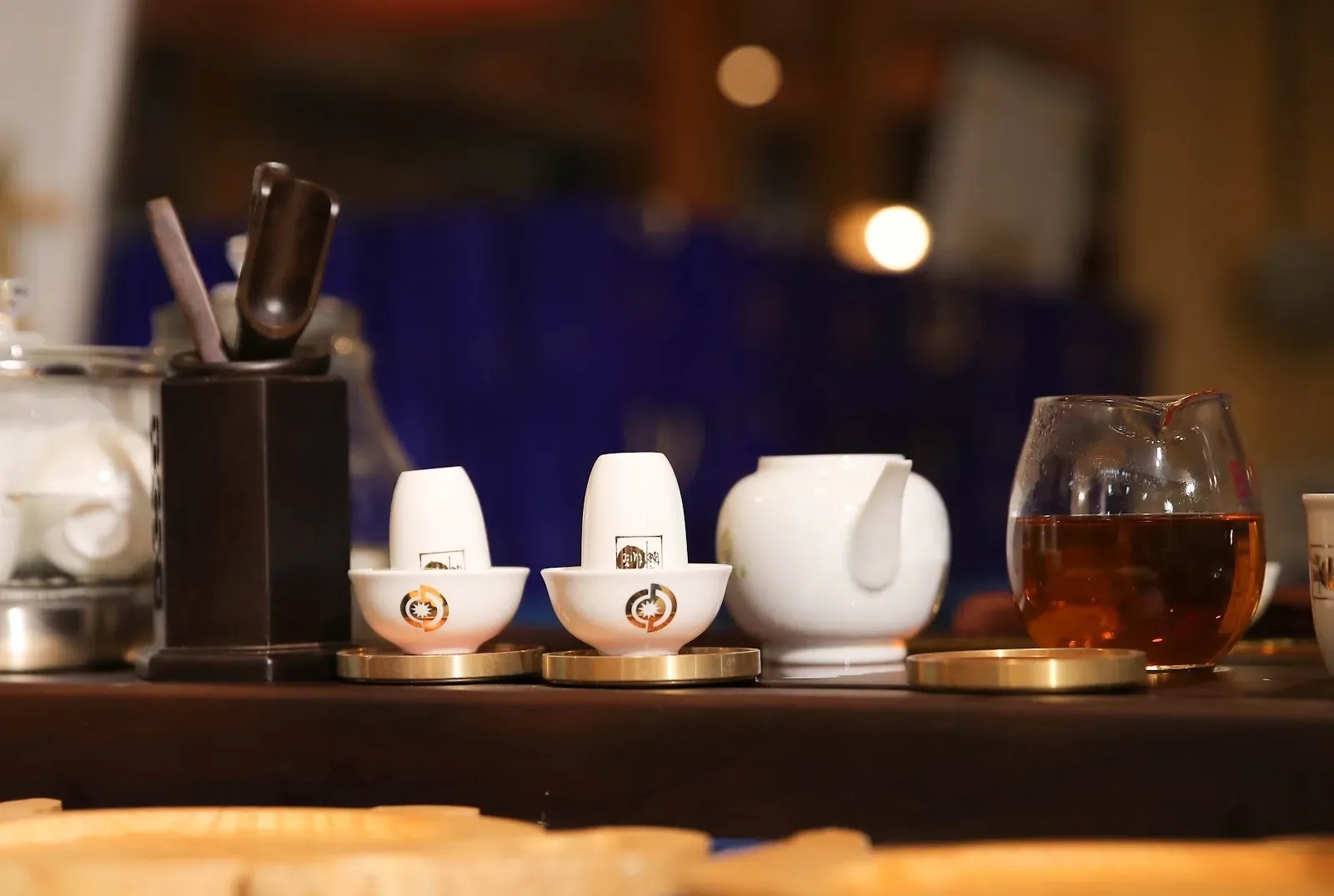
A step many people skip is rinsing the pot and cups with boiling water before adding the leaves. A cold pot steals heat from the brewing water, so the tea never reaches the temperature it needs, especially oolong and black tea. Warming also cleans the vessels and wakes up the aroma the moment dry leaves touch the warm clay.

Leaf quantity and steeping time
Water and temperature only shine when paired with the right amount of leaf and the right steeping time. With a small Vietnamese-style teapot, many people cover roughly a third of the bottom with leaves, keep the first infusion short and lengthen the following ones little by little. If the tea turns harsh, lower the temperature or shorten the steep; if it tastes thin, add a little more leaf rather than steeping longer.
Good tea does not demand expensive tools, only attention: clean water, the right heat and a little patience while the leaves tell their story.
Practise and taste
The best way to understand water and temperature is to experiment. Note the water, the heat and the steeping time each time you brew, then compare. After a few sessions you will find your own formula for the teas you love. If you visit the 1927 Tea Factory in Bao Loc, watch how the tea hosts in the Ngu Thuc Viet Tra space judge the water, warm the pot and pour, and you will see how much these small gestures change the cup.
Relevant posts

Tea and Slow Living: Learning to Pause Over a Cup
In a hurried world, a slowly brewed pot of tea can become a precious pause. Ideas for turning tea into a slow-living ritual, whether you drink alone, with one friend or around a table of loved ones.
Why You Should Drink Tea Every Day – The Secret to a Healthy and Carefree Life
Amid the pressures and rush of modern life, many people turn to simple habits that greatly benefit body and mind. One increasingly popular habit is drinking tea every day.
Amazing Health Benefits of Green Tea
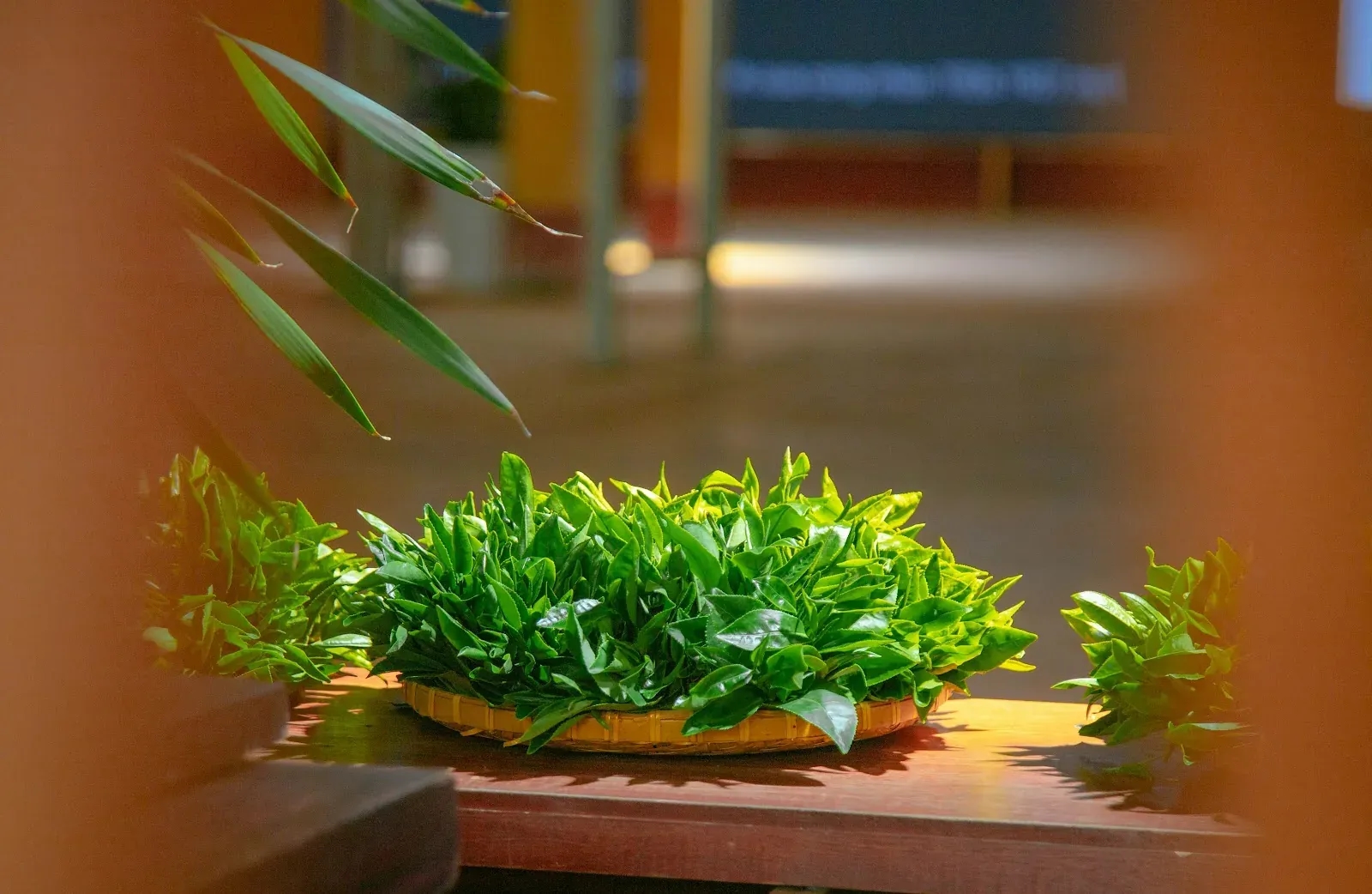
Green tea contains catechins, L-theanine and natural caffeine, which may help you stay alert and support a healthy lifestyle. Discover its potential benefits and how to enjoy it wisely.