

Withering: The Quiet Stage That Shapes Every Tea
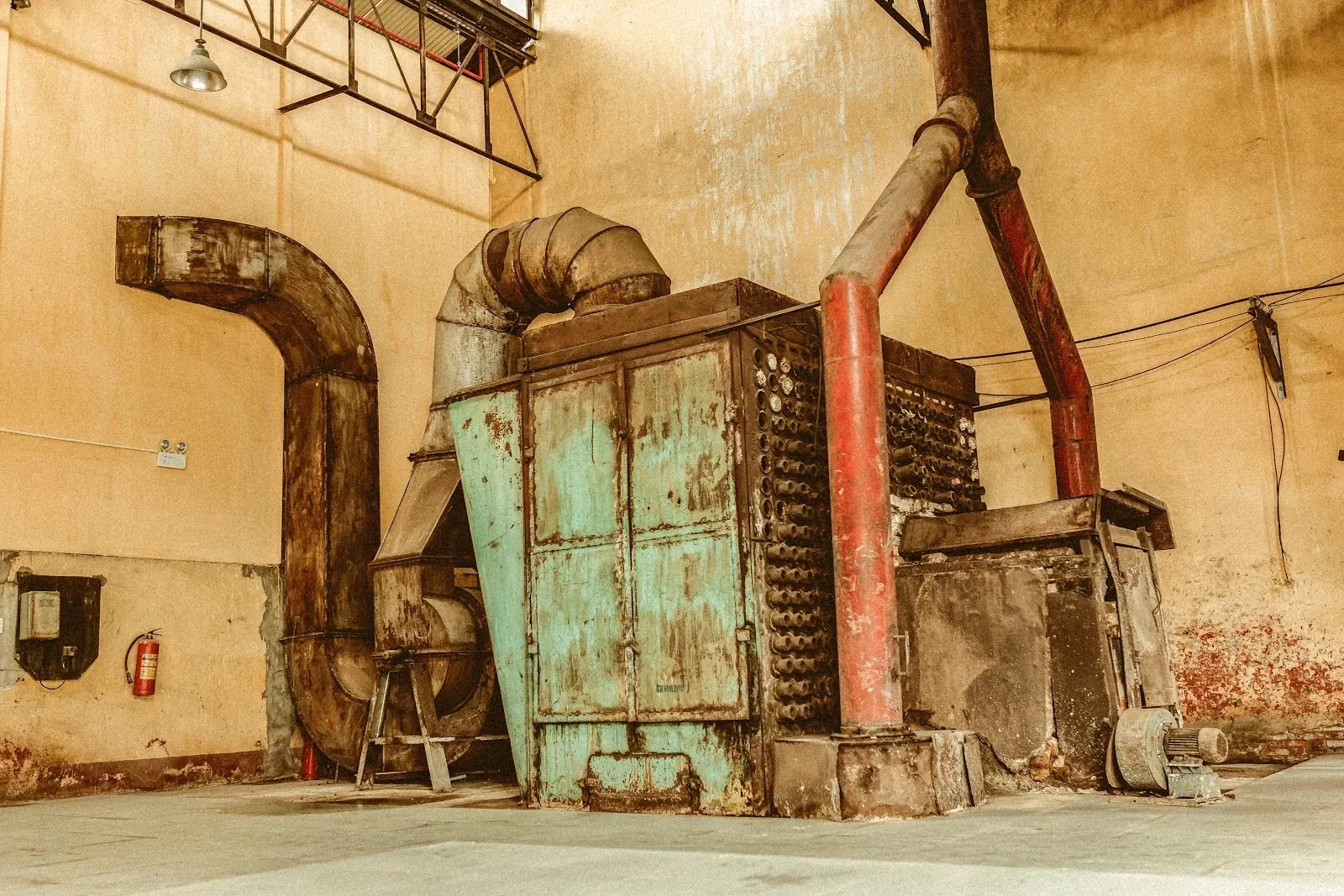

Withering is the first thing that happens to fresh leaves once they reach the factory. Why it matters, what the heat furnaces do, and how tea makers know when the leaf is just right.
When people think about tea making, they often picture rolling machines turning steadily or fragrant batches coming out of the dryer. Few notice the quiet stage that happens before all that: withering. There is no roar of machinery and no dramatic change of colour, yet withering lays the foundation for almost every quality of the cup to come.
What is withering?
Freshly picked leaves are crisp and full of water. Roll them straight away and they snap into pieces instead of curling into neat twists. Withering lets the leaf lose part of its moisture slowly and evenly, making it soft, supple and pliable.
Withering works on two levels at once:
- Physical withering: the leaf loses water and becomes soft and flexible, ready for rolling without being crushed.
- Chemical withering: quiet changes take place inside the leaf. The sharp, grassy smell of fresh leaves softens and gives way to more pleasant notes, preparing the character of the finished tea.
Natural withering and heat-assisted withering
Traditionally, leaves were spread thinly on bamboo trays or tiered racks in a cool, airy place and left to wither in the breeze. This takes time and depends heavily on the weather. On damp, drizzly days or during long rains, the leaf withers very slowly and may even start to spoil.
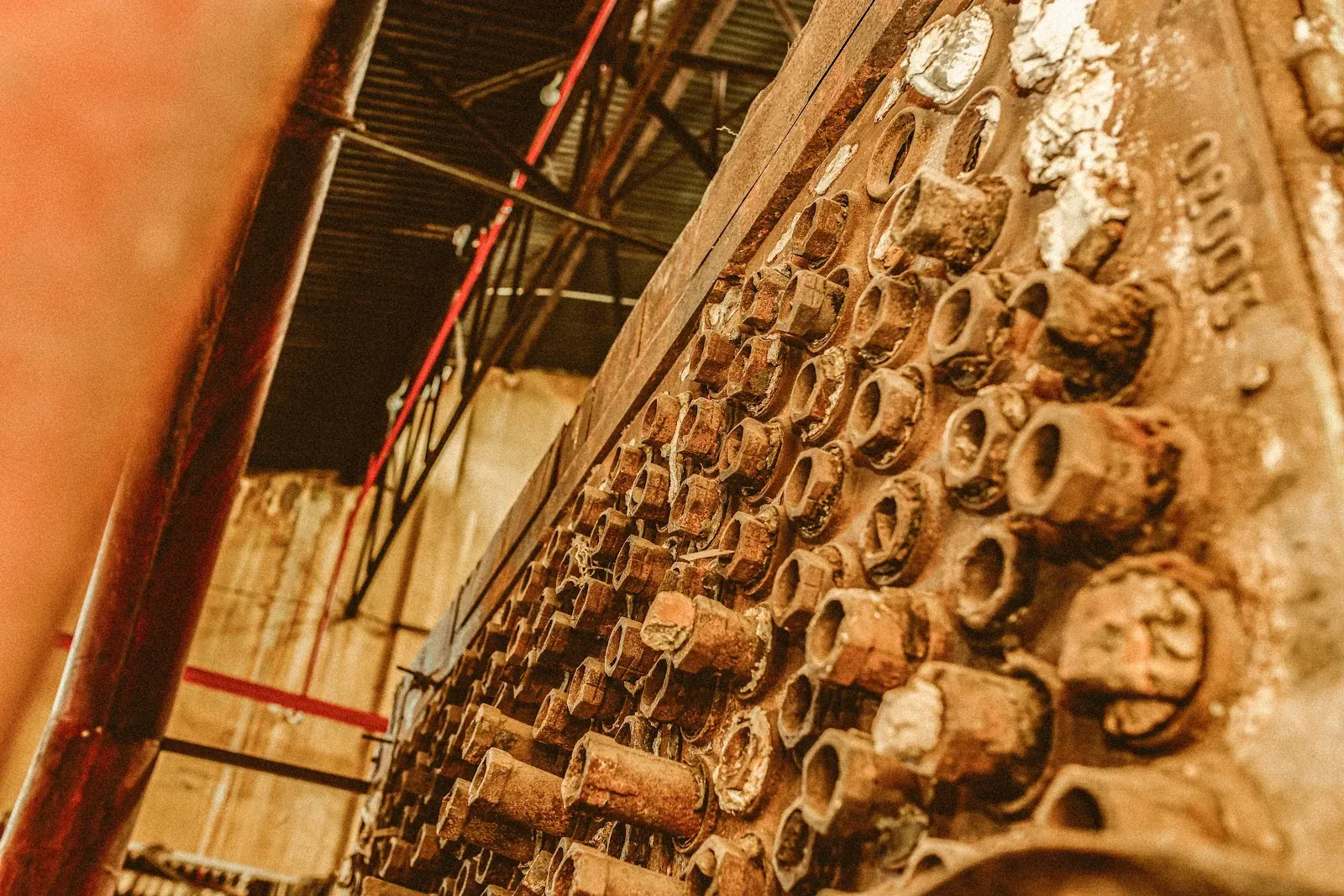
That is why tea factories add air-blowing systems, warming the air when needed, to control withering more precisely. At the 1927 Tea Factory, the withering furnace area has been preserved: faded green furnace casings, curving air ducts and dense banks of heat-exchange tubes.
What tea makers keep an eye on
Withering sounds simple, but it is really an art of balance. Tea makers constantly watch:
- Leaf depth: spread too thick, the lower layers wither unevenly; too thin, and space is wasted while the leaf may wither too fast.
- Air temperature and humidity: air that is too hot can scorch the leaf edges, while very humid air slows everything down.
- Airflow: the air must move evenly so every part of the leaf bed withers alike.
- Time: depending on the leaf and the weather, withering can take many hours. The leaves are turned gently for an even result.

How do you know the leaf is ready?
Before modern instruments, tea makers relied mostly on their hands and senses, and that experience is still valuable today:
- The leaf feels soft and supple; the stem bends without snapping.
- Squeeze a handful and release it: the leaves spring back slowly rather than at once.
- The colour deepens to a darker green and the surface loses its shine.
- The grassy smell fades and a gentle, pleasant aroma appears.
Under-withered leaves stay brittle, break during rolling and can give a raw, green taste. Over-withered leaves turn dry and stiff, refuse to twist and lose flavour. That is why withering is considered the first real test of a tea maker's skill.
Withering across different teas
Not every tea is withered the same way. For black tea, withering is a key step that prepares the leaf for rolling and oxidation. For green tea, the leaves are usually spread out only briefly before being heated to stop oxidation and keep their fresh colour. For oolong, withering goes hand in hand with tossing and bruising the leaves to develop aroma. For white tea, withering is almost the whole process, shaping its delicate, light character.
A good batch of tea does not begin at the rolling machine or the dryer; it begins in the quiet hours when the leaves lie waiting to wither just right.

When you visit the 1927 Tea Factory, linger a little longer in the furnace area. The rusted casings, curved ducts and old gauge are more than mechanical relics; they bear witness to the care at the heart of tea making, where every good cup begins with patience.
Relevant posts
Drying and Sorting: The Finishing Touches of Tea Making
After rolling and oxidation, tea still has to pass through the dryer and a series of sieves before it is finished. A closer look at these two final stages through the traditional and modern machines of the 1927 Tea Factory.
Tea Processing: From Fresh Leaves To Perfect Cup
From fresh buds to a fragrant cup: follow the withering, rolling, fermentation, drying and sorting stages, in both traditional and modern methods, at the 1927 Tea Factory.
Behind a Cup of Doi Dep Tea
If the North is famous for Thai Nguyen tea, in the South everyone knows Doi Dep Oolong tea from Bao Loc (Lam Dong) for its slightly astringent, cool, sweet and fragrant taste.