

Drying and Sorting: The Finishing Touches of Tea Making
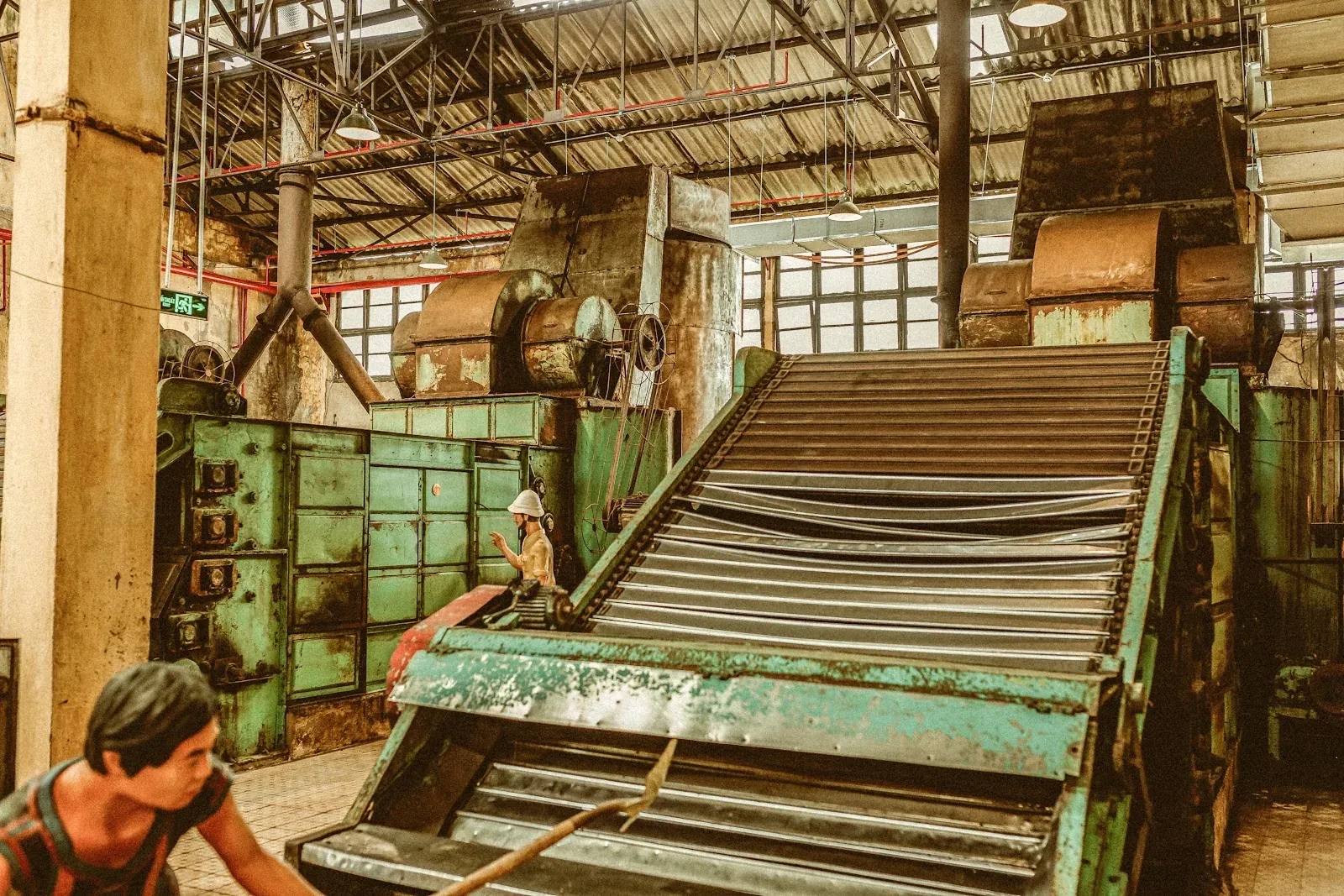

After rolling and oxidation, tea still has to pass through the dryer and a series of sieves before it is finished. A closer look at these two final stages through the traditional and modern machines of the 1927 Tea Factory.
If withering is the preparation, and rolling and oxidation are where flavour awakens, then drying and sorting are the finishing touches. In these two stages, still-moist, soft leaves become dry, even, clean pieces of tea, ready to be packed and brought to the tea drinker.
Drying: capturing the leaf at its best
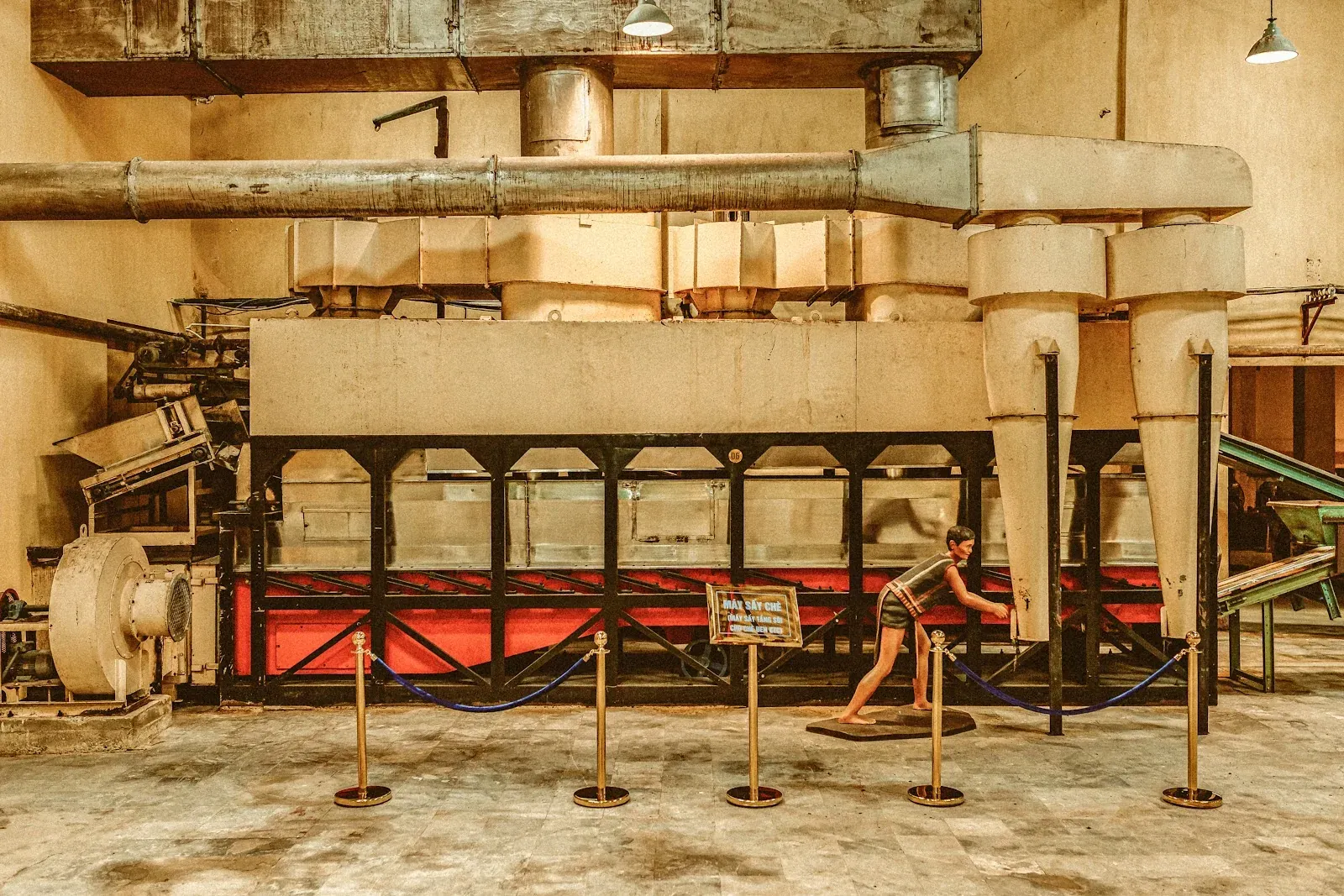
Once oxidation has gone far enough, the leaf must be stopped at exactly the right moment. The high heat of the dryer halts oxidation, fixing the colour and flavour. At the same time, drying removes most of the remaining moisture, leaving the tea crisp and able to keep for a long time without going mouldy.
Heat also helps shape the aroma. A well-dried batch smells warm and inviting. Under-dried tea absorbs moisture easily, while over-dried tea can leave an unpleasant burnt note in the cup.
Traditional dryers
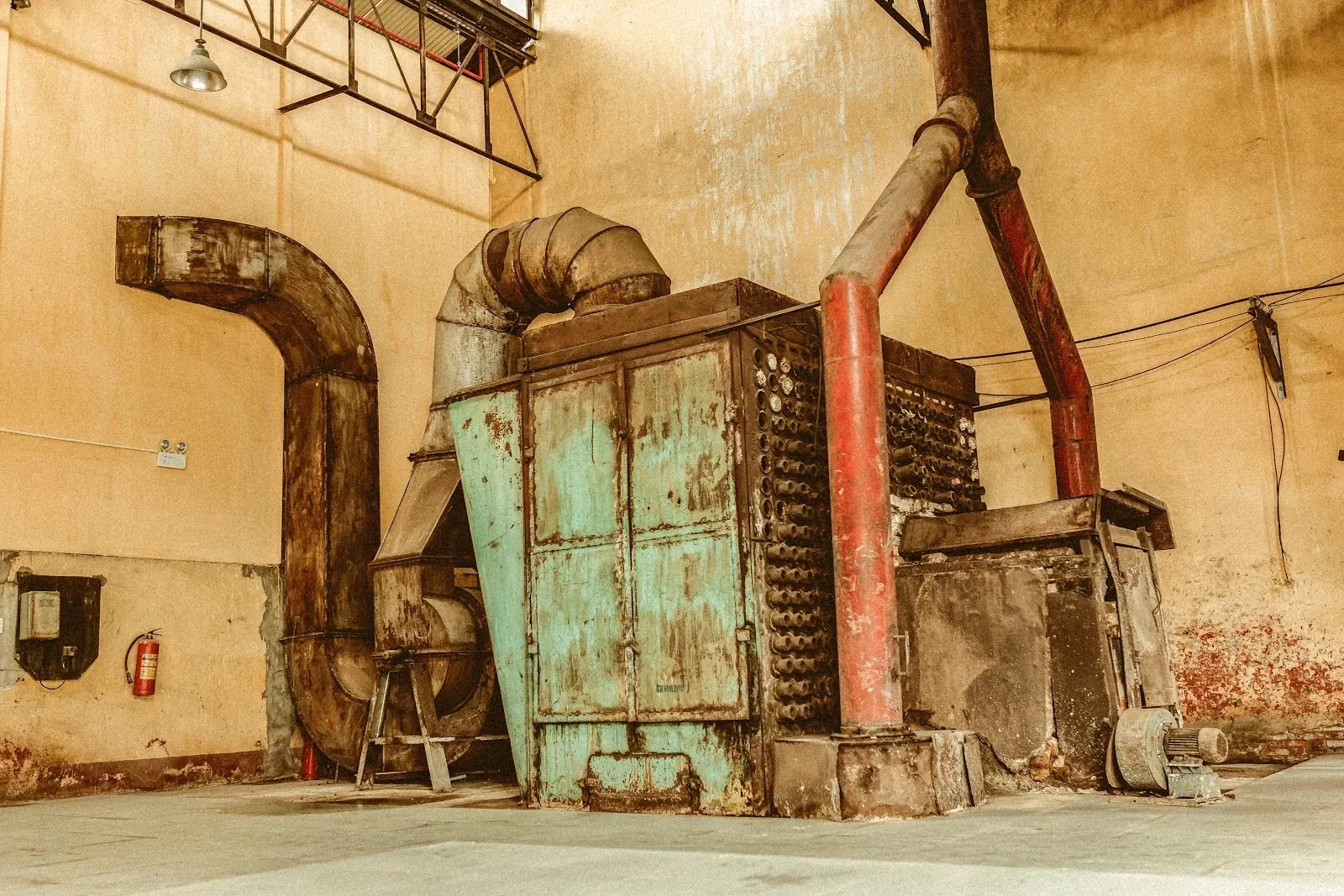
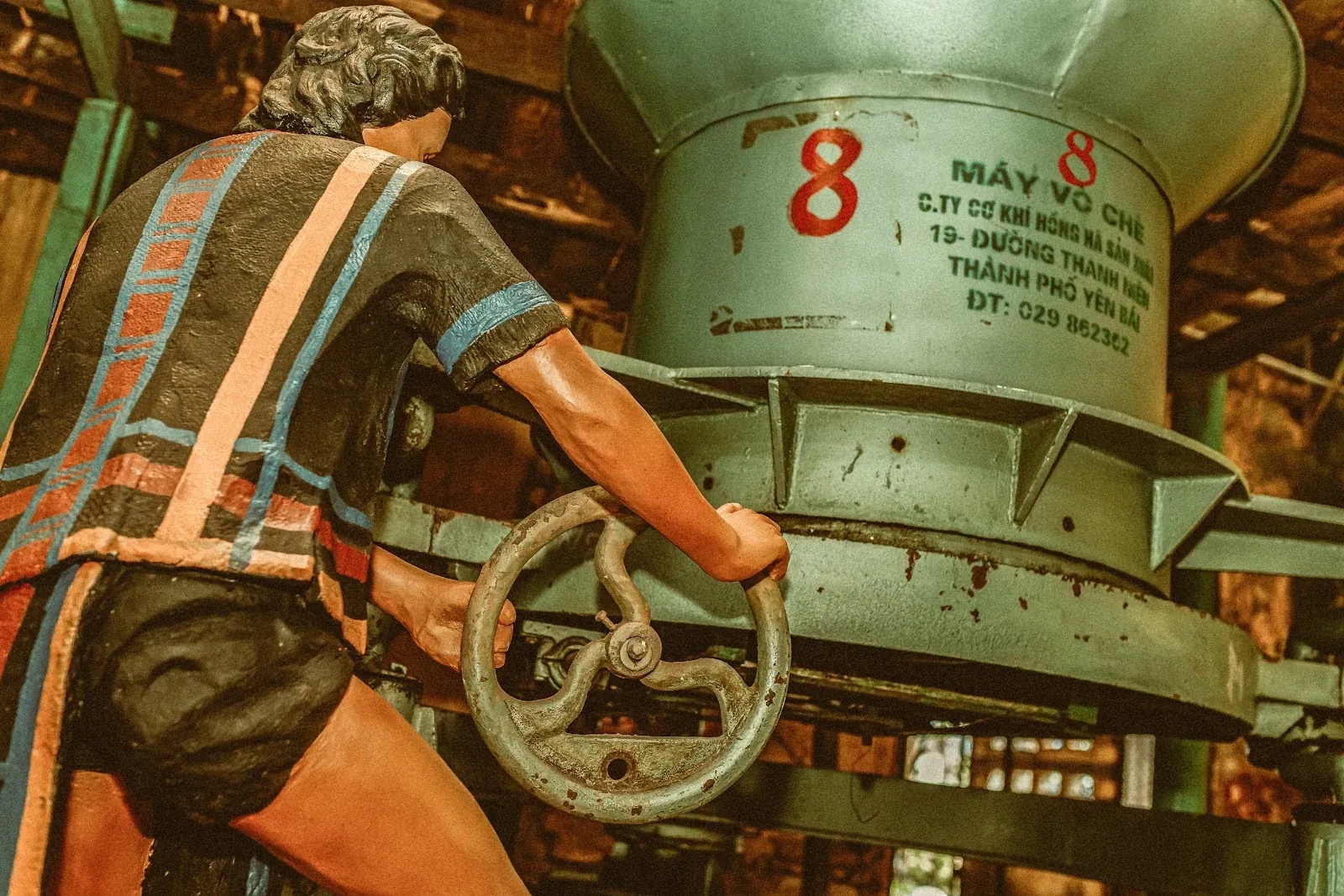
In the traditional section of the 1927 Tea Factory, large dryers have been preserved along with the inclined conveyors that fed tea into them. Heat came from tall cylindrical furnaces whose casings are now covered in the rust of passing years. Beside the machines, statues of workers holding shovels and rakes recreate the busy, demanding rhythm of a drying shift, when workers tended the fire, checked the dryness of the tea and adjusted constantly by experience.
Modern dryers
In the modern section, dryers are fitted with ductwork and dust collectors that keep heat and airflow more stable. The tea dries more evenly and depends less on the operator's intuition. Displaying two generations of dryers close together lets visitors compare them and sense how tea processing has advanced.
Sorting: grading for an even cup
Dried tea is not yet finished. Every batch contains pieces of different sizes: whole leaves, broken leaves, small fragments and dust. Left mixed, the small pieces infuse quickly and the large ones slowly, and the cup turns out uneven.
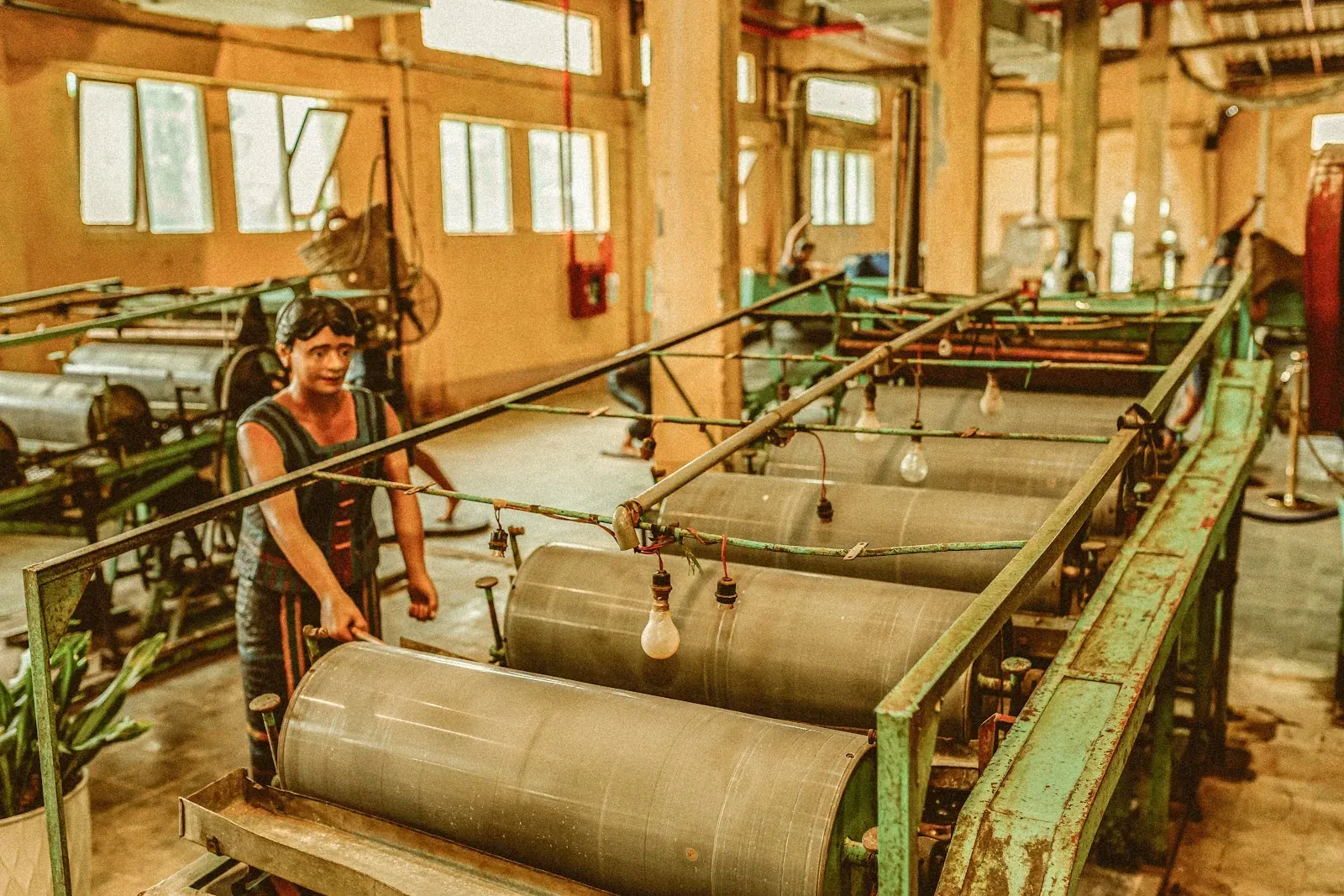
Sorting separates tea by size. The tea passes over layers of mesh with different openings while the machine shakes or rotates, so each grade falls into its place. The 1927 Tea Factory keeps both traditional sifters and the round sifter of the modern line, as well as a pre-crushing area for pieces that are too large.
Fibre removal: cleaning the tea
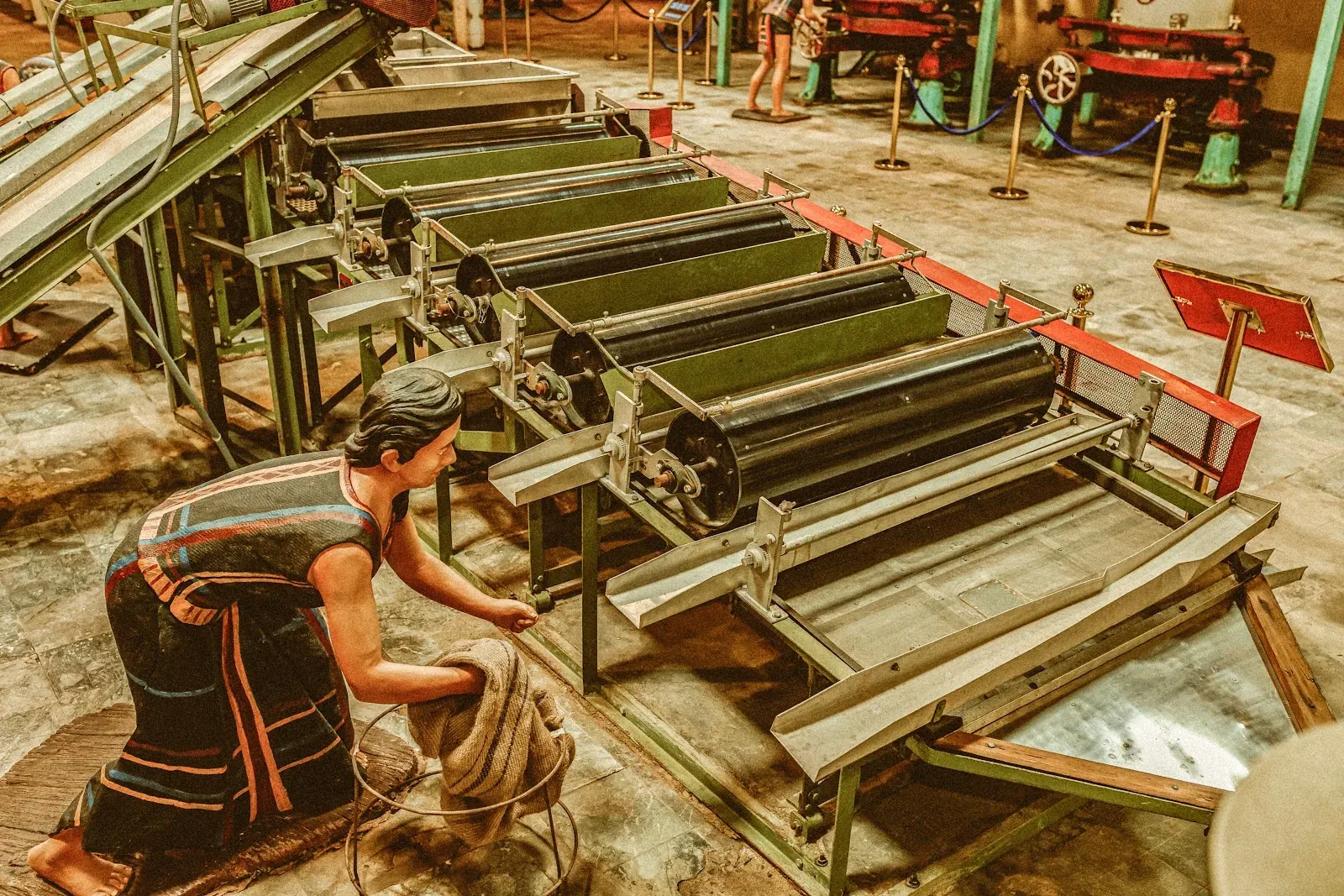
Even after careful sifting, tea can still contain fibres, fine hairs and tiny stalks. They spoil the look of the leaf and affect the taste, which is why a dedicated fibre-removal stage exists.
Following a principle widely used in tea factories, the tea is spread thinly and passed beneath rollers; the light fibres cling to the roller surface and are separated from the leaf. Inside the factory, the row of fibre extractors with their many parallel cylinders is one of the most distinctive sights.
Why the final steps matter
- Keeping quality: properly dried tea holds its flavour longer.
- Consistent brewing: evenly sized tea gives a steady cup from one pot to the next.
- Appearance: clean, uniform leaves feel carefully made from the moment you open the pack.
- Grading: sorting creates different grades of tea to suit different brewing styles and needs.
A finished piece of tea is the result of many choices: the bud chosen on the hill, the degree of withering, the moment oxidation is stopped and, finally, the selection through each layer of the sieve.
Seeing it at the 1927 Tea Factory
The drying, sorting and fibre-removal area is often where visitors linger longest, because the machines come in so many shapes, from inclined conveyors and cylindrical furnaces to rows of rollers. Ask the guide about the differences between the traditional and modern machines, and you will find that the story behind each piece of tea is far longer than you might think.
Relevant posts
Withering: The Quiet Stage That Shapes Every Tea
Withering is the first thing that happens to fresh leaves once they reach the factory. Why it matters, what the heat furnaces do, and how tea makers know when the leaf is just right.
Tea Processing: From Fresh Leaves To Perfect Cup
From fresh buds to a fragrant cup: follow the withering, rolling, fermentation, drying and sorting stages, in both traditional and modern methods, at the 1927 Tea Factory.
Behind a Cup of Doi Dep Tea
If the North is famous for Thai Nguyen tea, in the South everyone knows Doi Dep Oolong tea from Bao Loc (Lam Dong) for its slightly astringent, cool, sweet and fragrant taste.